NATO Summit in Ankara Focuses on Defence Spending, Alliance Unity, and Ukraine
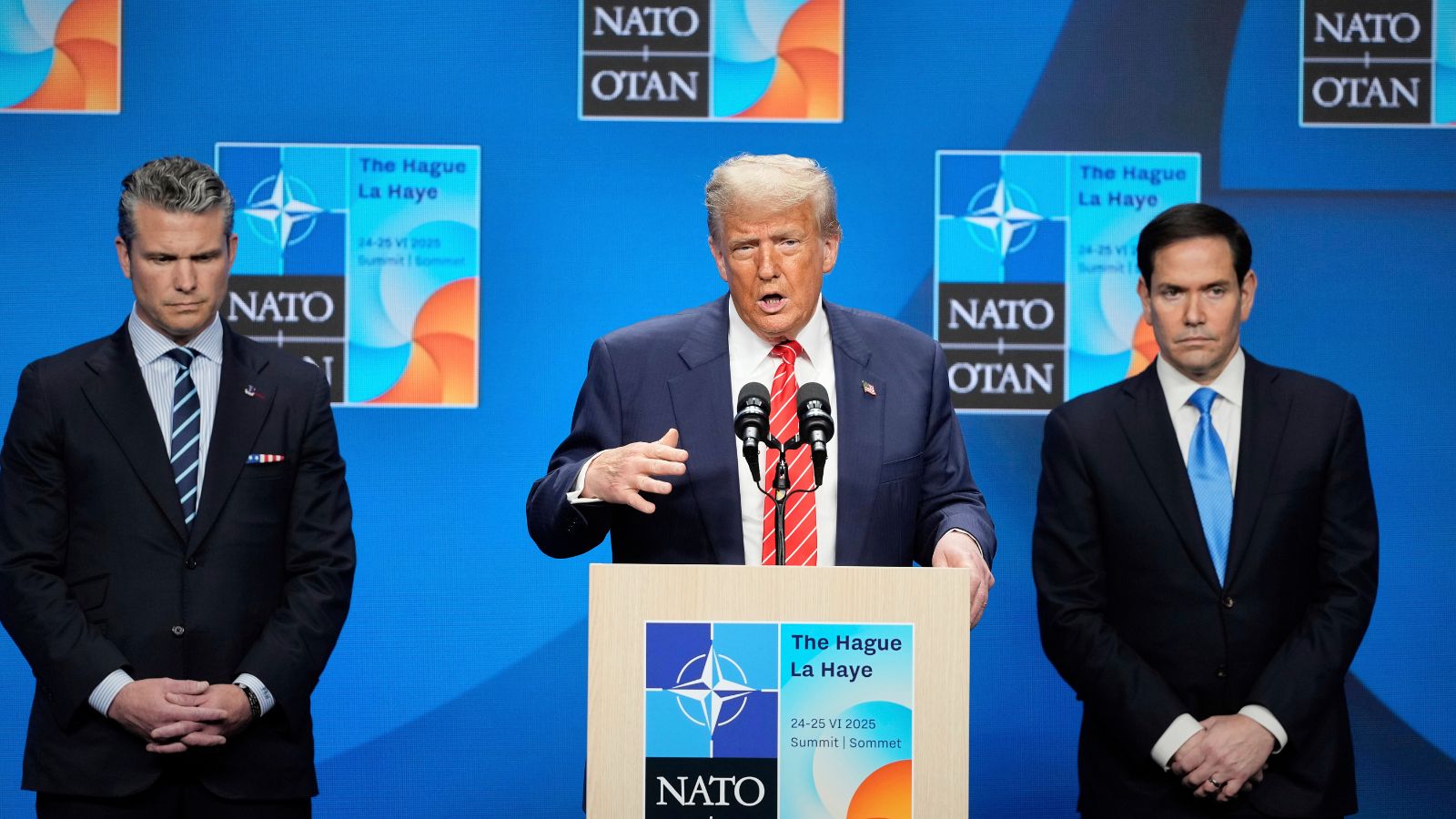
NATO leaders convened in Ankara to address key challenges including defence spending, alliance unity, and the ongoing Ukraine conflict. The summit focused on enforcing a commitment by European members and Canada to increase defence expenditure to 5% of GDP by 2035, a target strongly pushed by US President Donald Trump. NATO Secretary General Mark Rutte played a central role in managing US-European relations, employing diplomacy to maintain US engagement despite tensions over issues like Greenland and Iran. The summit also highlighted efforts to modernize military capabilities amid shifting US strategic priorities.
First-hand measurement across 2 sources
We measured how 2 outlets covered this story. Coverage leans balanced overall (Left 8%, Centre 85%, Right 7%). Overall sentiment is neutral (53/100). Lens Score 40/100 — moderate-to-low public interest.
Outlets analysed (first-hand measurement by TBN's Bias Engine):
- economictimes— balanced framing, neutral sentiment
- indiatoday— balanced framing, neutral sentiment
AI Analysis
The article group presents multiple perspectives, including US pressure under President Trump for increased European defence spending and European responses emphasizing burden-sharing and alliance cohesion. Coverage includes views on Trump's assertive approach and NATO Secretary General Rutte's diplomatic efforts to maintain US commitment. The sources balance US strategic interests with European concerns, reflecting a range of political viewpoints without endorsing any particular stance.
The overall tone across the articles is mixed, combining critical observations of US President Trump's confrontational style with recognition of progress in defence spending commitments. While some sources highlight tensions and challenges within the alliance, others emphasize diplomatic successes and the importance of unity. The sentiment reflects cautious optimism about NATO's ability to adapt amid geopolitical pressures and internal disagreements.