NATO Summit in Ankara Highlights Defense Deals Amid US-EU Tensions and Greenland Dispute
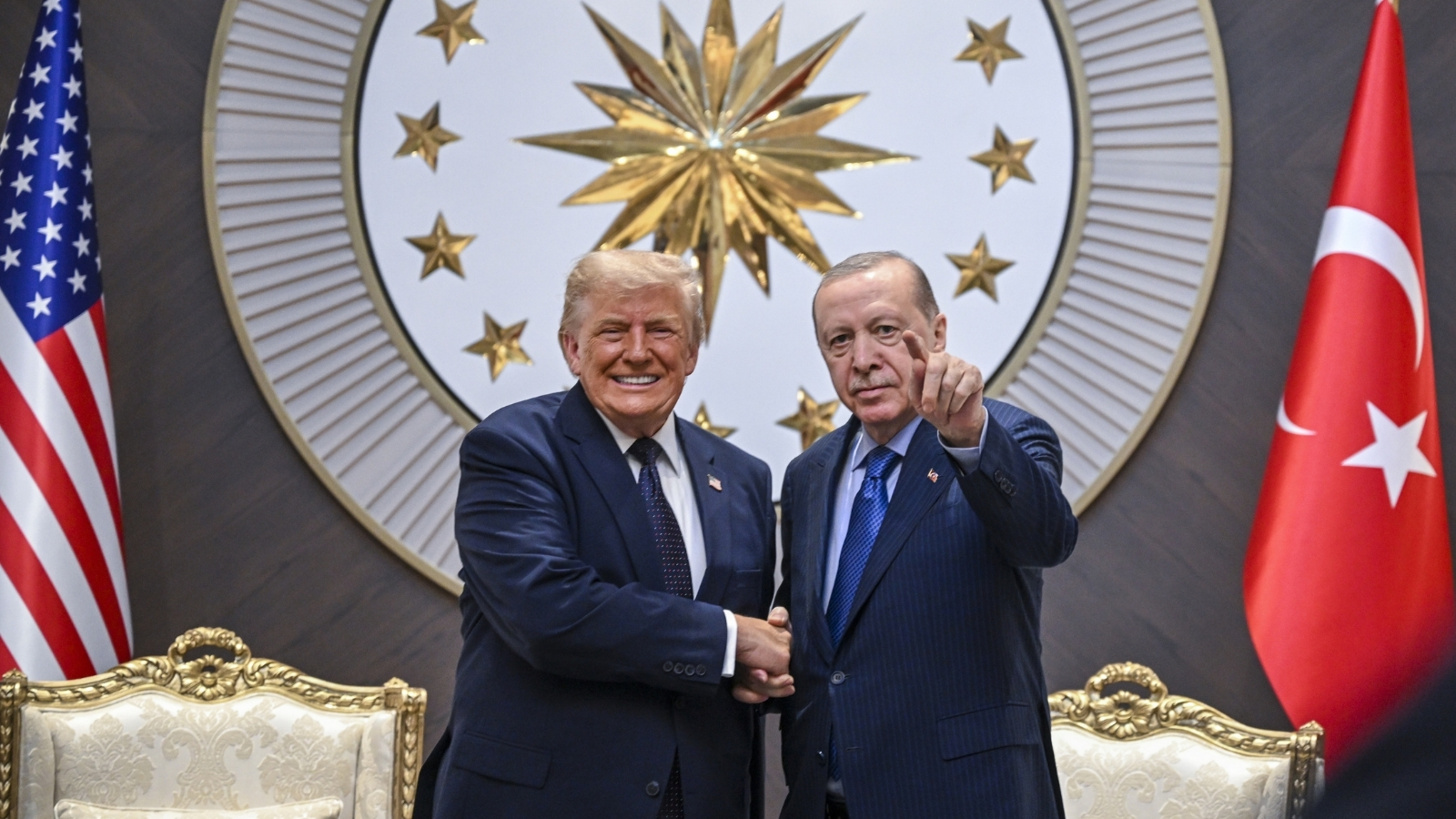
At the 2026 NATO summit in Ankara, US President Donald Trump criticized several European allies, including Denmark and Spain, over their refusal to support US military actions against Iran and his demand for control over Greenland. Despite tensions, Trump praised his relationship with Turkish President Erdogan and announced lifting sanctions on Turkey and potential F-35 sales. NATO leaders showcased over $50 billion in arms deals and increased defense spending, emphasizing collective security amid ongoing conflicts in Ukraine and Iran. The summit concluded with reaffirmed commitments to mutual defense and calls for enhanced military capabilities.
First-hand measurement across 15 sources
We measured how 15 outlets covered this story. Coverage leans balanced overall (Left 11%, Centre 80%, Right 9%). Overall sentiment is neutral (51/100). Lens Score 40/100 — moderate-to-low public interest.
Outlets analysed (first-hand measurement by TBN's Bias Engine):
- ndtv— balanced framing, neutral sentiment
- thetribune— balanced framing, positive sentiment
- zeenews— balanced framing, neutral sentiment
- zeenews— balanced framing, neutral sentiment
- theprint— balanced framing, neutral sentiment
- ndtv— balanced framing, neutral sentiment
- english— balanced framing, neutral sentiment
- theprint— balanced framing, neutral sentiment
AI Analysis
The article group presents multiple perspectives, including US President Trump's critical stance toward European NATO allies over defense spending, support in the Iran conflict, and Greenland's status. European leaders and NATO officials emphasize increased defense investments and collective security commitments. Turkish President Erdogan's role and US-Turkey relations receive attention, reflecting diverse geopolitical interests within the alliance. The coverage balances US criticisms with European responses and NATO's strategic initiatives without favoring any side.
The overall tone across the articles is mixed, combining critical remarks from President Trump with positive developments such as significant arms deals, increased defense spending, and reaffirmed alliance commitments. While tensions and disputes over Greenland and Iran are highlighted, the summit's conclusion with unity statements and cooperative agreements tempers negativity. The sentiment reflects both challenges and efforts toward alliance cohesion amid complex geopolitical dynamics.