U.S. Military Oversees Ship-to-Ship Oil Transfers Using Iranian Tactics in Gulf
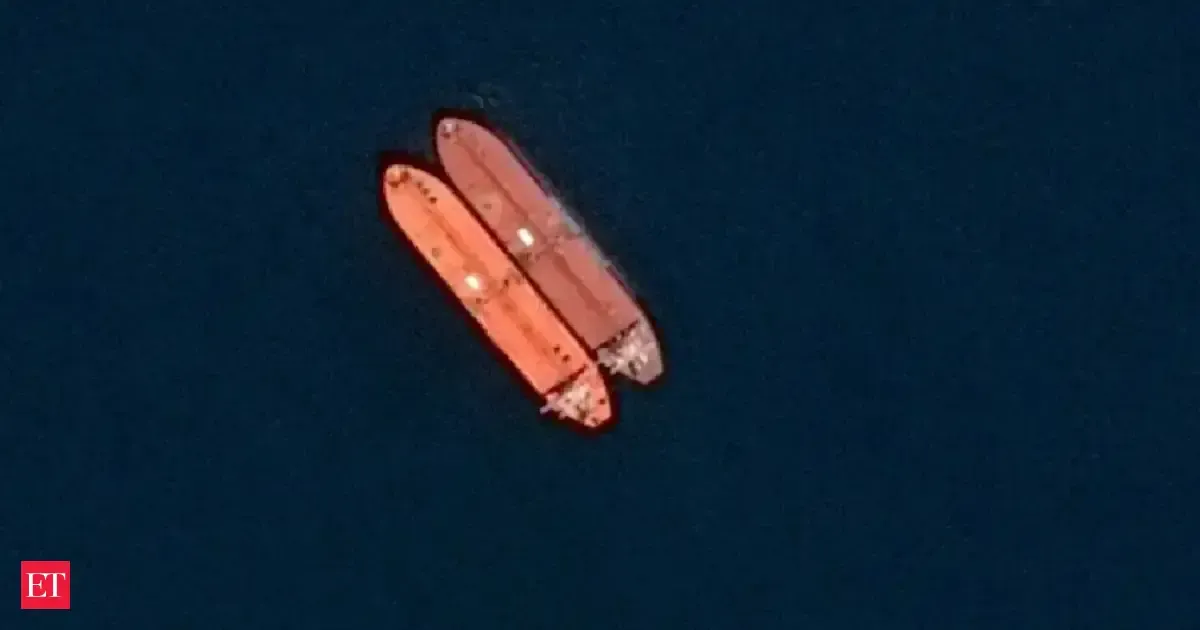
Since early May, the U.S. military has overseen secretive ship-to-ship oil transfers near the Strait of Hormuz, using drones and helicopters to guide tankers off Fujairah, UAE, and Sohar, Oman. This method, involving at least 92 ships, mirrors tactics Iran has used to bypass sanctions. An Apache helicopter involved in the operation was downed by Iran on June 9, prompting U.S. retaliatory strikes. U.S. officials have neither confirmed Central Command's direct involvement nor detailed the operation's full scope.
First-hand measurement across 3 sources
We measured how 3 outlets covered this story. Coverage leans balanced overall (Left 10%, Centre 80%, Right 10%). Overall sentiment is neutral (43/100). Lens Score 46/100 — moderate-to-low public interest.
Outlets analysed (first-hand measurement by TBN's Bias Engine):
- ndtv— balanced framing, neutral sentiment
- economictimes— balanced framing, neutral sentiment
- thetelegraph— balanced framing, neutral sentiment
AI Analysis
The articles present a primarily factual account of U.S. military operations without overt political framing. They include perspectives from U.S. officials, unnamed sources, and note the Iranian government's lack of comment. Coverage focuses on operational details and recent incidents, avoiding partisan interpretation or assigning blame, thus reflecting a neutral stance emphasizing reported facts.
The tone across the articles is largely neutral and informational, focusing on describing the covert oil transfer operations and related events such as the downing of a U.S. helicopter. There is no evident positive or negative sentiment; instead, the coverage maintains a factual and measured approach without emotive language or editorializing.
How 3 sources covered this story
Each source's own headline, political lean, and sentiment — so you can see framing differences at a glance.