Skip to content
Get the Balanced News app for a better experience!
The Balanced News Logo
Analytics
The Balanced News Logo

Stay Balanced, Stay Informed

Menu
  • Browse News
  • Underreported Stories
  • Curated Feeds
  • Insights
  • Analytics
  • Our Writers
  • About Us
  • Download App
Learn
  • How It Works
  • Bias Detection
  • Lens Score
  • Source Bias Checker
  • Accountability
  • Custom Feeds
Newsroom
  • Writers & Analysts
  • About TBN
  • Editorial Standards
  • Corrections Policy
  • Our Partners
  • Insights
Socials
  • Youtube
  • Instagram
  • X
  • Facebook
News Categories
  • Trending
  • Politics
  • Sports
  • Business
  • Tech
  • Entertainment
  • Health
  • Science
  • Crime
  • Lifestyle
  • National
  • International
  • Good News
  • Crypto

Get Our App

Available for iOS and Android


LensFeedsInsightsAnalyticsTrendingGood NewsSportsPoliticsBusinessCrimeTechEntertainmentHealthNationalInternational

© 2026 The Balanced News. All rights reserved.

About UsEditorial StandardsCorrectionsHelp & SupportPrivacy PolicyTerms & Conditions
China's Use of Narratives and Disinformation in Border Disputes with India
Categories

Categories

Related Coverage

Select a news story to see related coverage from other media outlets.

Related Coverage

Select a news story to see related coverage from other media outlets.

  1. Home
  2. /
  3. Politics

China's Use of Narratives and Disinformation in Border Disputes with India

Analysed 11 Aug 2026·2 sources analysed·Beijing, China·Politics
China's Use of Narratives and Disinformation in Border Disputes with IndiaPreviousNext

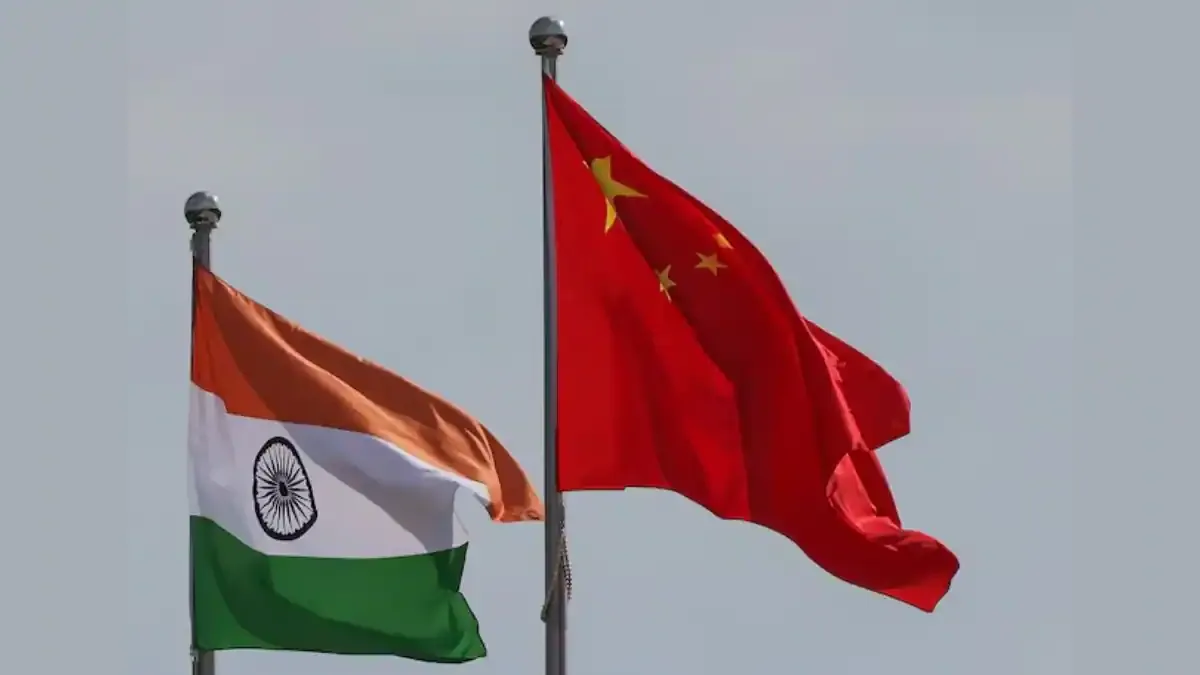
China has historically used narratives, maps, and disinformation as strategic tools against India, particularly regarding border regions like Arunachal Pradesh and Tibet. Indian leaders' early cultural gestures were perceived differently by China, contributing to mistrust. Recent incidents, such as the Galwan Valley clash and Operation Sindoor, saw China employing disinformation campaigns to influence public perception and complicate India's strategic responses. These tactics include state media messaging and coordinated online amplification to challenge India's territorial claims and political actions.

Sentiment
43%
TBN's observations

First-hand measurement across 2 sources

We measured how 2 outlets covered this story. No outlet gave this story a measurable political slant — there is no left–right reading to report. Overall sentiment is neutral (43/100). Lens Score 41/100.

Outlets measured: firstpost, firstpost. See how each one headlined and framed the same story in the source comparison below.

AI analysis of 2 sources · Published under editorial oversight by The Balanced News
Analysed 11 Aug 2026· How this analysis is produced· Editorial standards· Corrections

AI Analysis

Sentiment — Neutral (43/100)

Sentiment ranged widely across outlets — from 28/100 to 58/100 — a sign the coverage itself was contested, not just reported.

Coverage timeline

firstpost broke this story on 10 Aug, 10:49 am. Other outlets followed.

10 Aug, 10:49 am2 sources · 23 h11 Aug, 09:49 am
  1. 1
AI analysis by the TBN Bias Engine · beat methodology byPrajakta Kale· Political Analyst· editorial standards byOjas Kale
← Previous
Delhi HC Orders Additional Security for MP Pappu Yadav Amid Threat Claims
Next →
Calcutta High Court Extends Interim Protection to Aroop Biswas and Abhishek Banerjee
firstpost10 Aug, 10:49 am
Dear Beijing, if Arunachal is 'South Tibet', let's talk about Tibet
  • 2
    firstpost11 Aug, 09:49 am
    From Galwan to Arunachal: How China is weaponising disinformation against India
  • Who's involved

    Institutions and figures named across source coverage.

    Government
    Press Information BureauGovernment of IndiaGovernment of the People's Republic of ChinaIndian Army
    Corporate
    Thinkfi

    Story context

    Category
    Politics
    Location
    Beijing, China
    Sources analysed
    2
    Last analysed
    11 Aug 2026
    Key entities
    BeijingIndiaChinaArunachal PradeshLine of Actual ControlPeople's Liberation ArmyZhou dynastyJawaharlal NehruHenry KissingerTibetDelhiForeign Secretary