Protests Intensify in Pakistan-Occupied Kashmir Amid Security Crackdown and Clashes
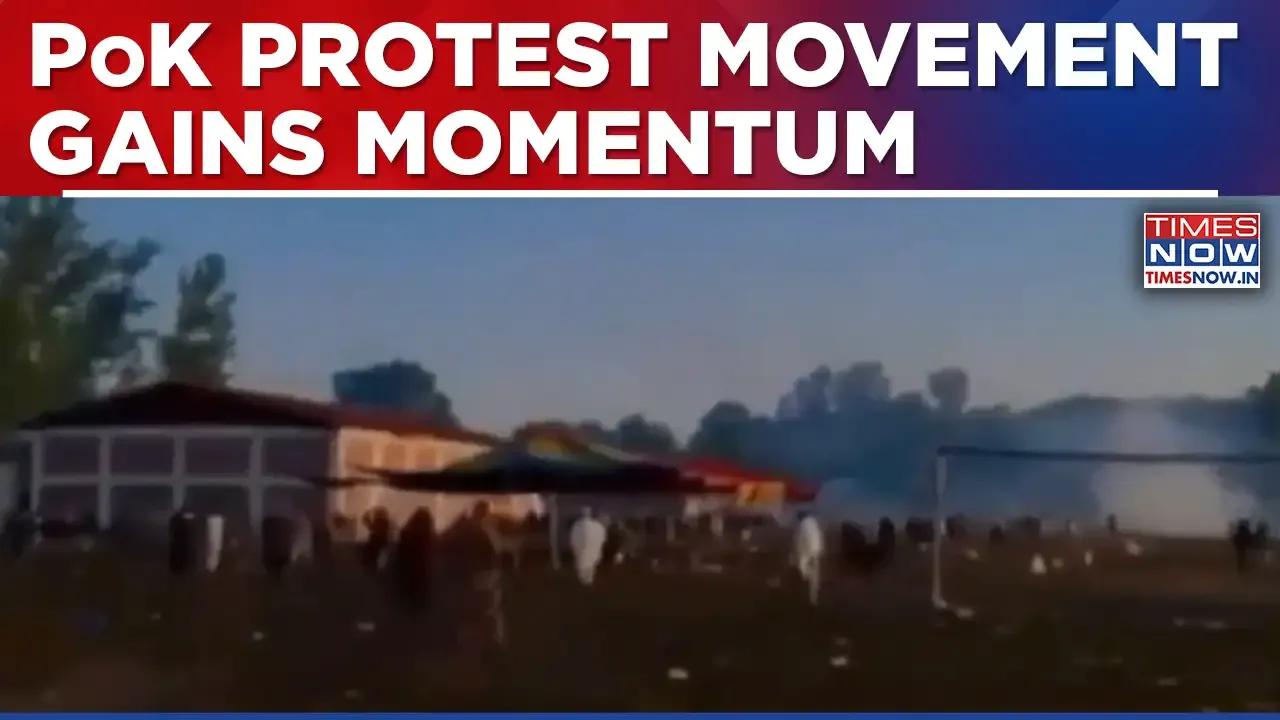
Protests in Pakistan-occupied Kashmir (PoK) have intensified over the past month following a government crackdown and arrests of over 600 activists. Security forces, including Pakistan Rangers, reportedly used tear gas and live fire against demonstrators in multiple areas such as Rawalakot, Muzaffarabad, and Dadyal, resulting in at least one death and several injuries. Protesters demand basic rights, release of detained leaders, and implementation of a 38-point agreement. The Jammu Kashmir Joint Awami Action Committee continues to organize marches and calls for international attention amid ongoing unrest.
First-hand measurement across 8 sources
We measured how 8 outlets covered this story. Coverage leans centre-left overall (Left 53%, Centre 41%, Right 6%). Overall sentiment is negative (26/100). Lens Score 48/100 — moderate-to-low public interest.
Outlets analysed (first-hand measurement by TBN's Bias Engine):
- english— balanced framing, negative sentiment
- zeenews— left-leaning framing, negative sentiment
- thetribune— left-leaning framing, negative sentiment
- news18— left-leaning framing, negative sentiment
- english— left-leaning framing, negative sentiment
- republicworld— left-leaning framing, negative sentiment
- timesnow— balanced framing, negative sentiment
- republicworld— left-leaning framing, negative sentiment
AI Analysis
The article group presents perspectives primarily from protest organizers and local political groups like the Jammu Kashmir Joint Awami Action Committee and Pakistan Tehreek-e-Insaf's PoK unit, highlighting grievances against Pakistani authorities. Official Pakistani government statements are absent or unverified, with coverage focusing on allegations of excessive force and demands for rights. The framing centers on civil unrest and security responses without overt editorializing, reflecting a viewpoint sympathetic to protesters while noting lack of independent verification.
The overall tone across the articles is serious and somber, emphasizing violence, injuries, and deaths amid ongoing protests. Coverage conveys concern over human rights and escalating tensions but avoids sensational language. Sentiment is predominantly negative due to reports of clashes and casualties, balanced by calls for peaceful demonstrations and demands for rights, resulting in a mixed but largely critical portrayal of the security situation.