US-Iran Tensions Escalate Over Navigation and Control of Strait of Hormuz
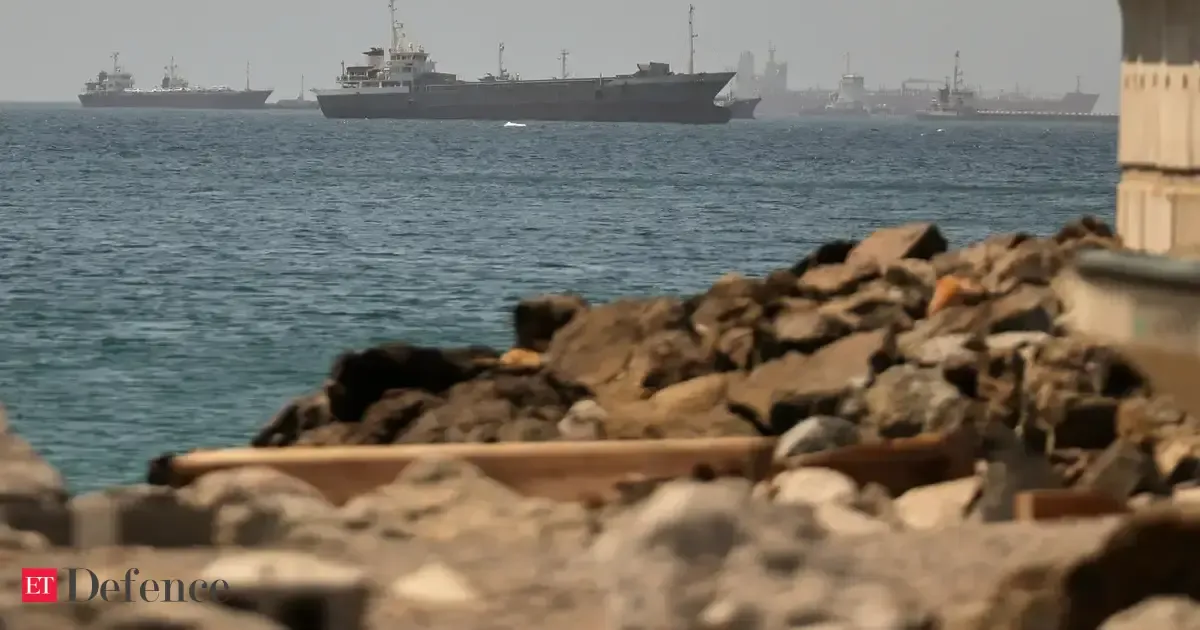
Tensions between the US and Iran have escalated over control and navigation of the Strait of Hormuz, a critical global oil transit route. Iran's Revolutionary Guard Navy claims it controls transit routes and warns of decisive responses to US interference, while the US Central Command denies Iranian control, citing facilitation of over 800 commercial vessel transits. Recent attacks on ships and retaliatory strikes have heightened concerns, with the US considering options including a naval blockade amid fears of prolonged conflict affecting regional stability and global markets.
First-hand measurement across 7 sources
We measured how 7 outlets covered this story. Coverage leans balanced overall (Left 4%, Centre 92%, Right 4%). Overall sentiment is negative (32/100). Lens Score 27/100 — low public interest.
Outlets analysed (first-hand measurement by TBN's Bias Engine):
- news18— balanced framing, neutral sentiment
- thetribune— balanced framing, negative sentiment
- timesnow— balanced framing, neutral sentiment
- firstpost— balanced framing, negative sentiment
- news18— balanced framing, negative sentiment
- economictimes— balanced framing, negative sentiment
- english— balanced framing, negative sentiment
AI Analysis
The article group presents perspectives from both Iranian and US officials, reflecting their conflicting claims over control of the Strait of Hormuz. Iranian sources emphasize sovereignty and warnings against US actions, while US sources highlight their role in facilitating maritime transit and reject Iranian control assertions. The coverage includes geopolitical analysis and official statements without endorsing either side, representing a balanced view of the dispute.
The overall tone across the articles is serious and cautious, reflecting heightened tensions and potential conflict risks. Coverage includes warnings, military actions, and strategic considerations, conveying concern without overtly negative or positive sentiment. The sentiment is mixed, combining reports of threats and retaliations with diplomatic and security assessments, underscoring uncertainty about future developments.