Ships Reverse Course Near Strait of Hormuz Amid Iran's Transit Controls
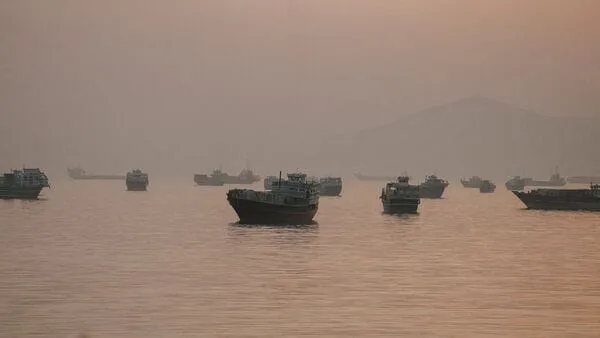
At least eight ships, including oil tankers and bulk carriers, reversed course near the Omani coast in the Strait of Hormuz between Friday and Saturday, reflecting Iran's ongoing assertion of control over this strategic waterway. Some vessels rerouted closer to Iran following its designated transit path. Despite a US-Iran agreement to reopen the strait, warnings from Iranian forces and past attacks have complicated navigation. Daily vessel crossings have increased but remain below pre-war levels, affecting global oil market stability.
First-hand measurement across 2 sources
We measured how 2 outlets covered this story. Coverage leans balanced overall (Left 10%, Centre 85%, Right 5%). Overall sentiment is neutral (38/100). Lens Score 30/100 — low public interest.
Outlets analysed (first-hand measurement by TBN's Bias Engine):
- mint— balanced framing, neutral sentiment
- economictimes— balanced framing, neutral sentiment
AI Analysis
The articles present perspectives focusing on Iran's enforcement of transit rules in the Strait of Hormuz and the resulting impact on maritime navigation. They highlight Iran's position on authorized routes and the concerns of tanker operators without endorsing any side. The coverage includes references to a US-Iran deal and the broader geopolitical tensions, maintaining a neutral stance by reporting facts and statements from involved parties.
The overall tone is cautious and factual, reflecting concerns about navigation challenges and regional tensions without sensationalism. The articles acknowledge increased vessel traffic as a positive development but emphasize ongoing risks and uncertainties, resulting in a balanced sentiment that neither overly criticizes nor praises any actor.
How 2 sources covered this story
Each source's own headline, political lean, and sentiment — so you can see framing differences at a glance.