Delhi Gymkhana Club Eviction Raises Legal and Urban Infrastructure Debates
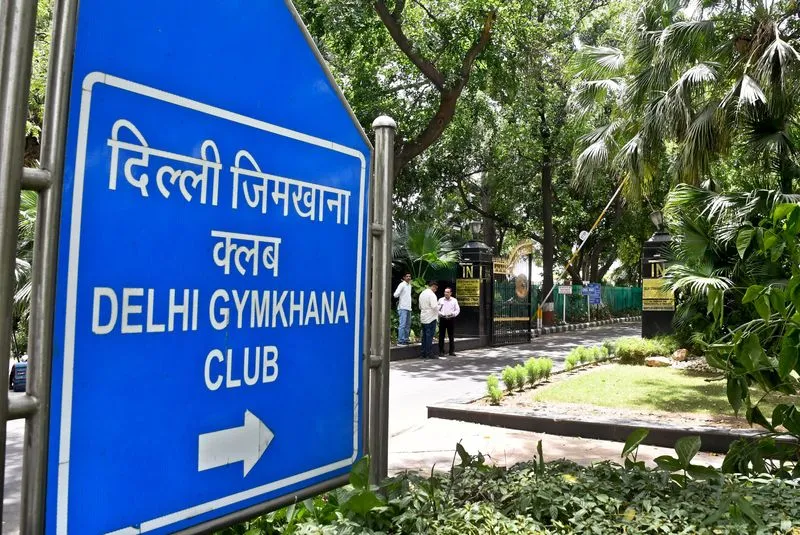
The Delhi Gymkhana Club faces eviction after the Centre directed it to vacate its 27.3-acre Safdarjung Road premises by June 5, citing strategic and administrative reasons. The government assured the Delhi High Court there would be no forcible takeover without due legal process, easing immediate concerns. This controversy has sparked debate on government control of prime land and highlighted Delhi's broader shortage of sports and leisure infrastructure amid urban challenges like pollution and congestion.
First-hand measurement across 2 sources
We measured how 2 outlets covered this story. Coverage leans balanced overall (Left 10%, Centre 85%, Right 5%). Overall sentiment is neutral (45/100). Lens Score 30/100 — low public interest.
Outlets analysed (first-hand measurement by TBN's Bias Engine):
- english— balanced framing, neutral sentiment
- thetribune— balanced framing, neutral sentiment
AI Analysis
The articles present perspectives from both government authorities emphasizing legal and strategic grounds for eviction and critics highlighting urban infrastructure deficits in Delhi. Coverage includes official assurances against forced takeover and broader civic concerns, reflecting a balance between administrative rationale and public interest in urban development without favoring any political stance.
The tone across the articles is measured and factual, focusing on legal developments and urban planning issues. While the eviction notice introduces uncertainty, the government's assurance tempers immediate fears. The discussion on Delhi's infrastructure challenges adds a constructive dimension, resulting in a generally neutral to cautiously concerned sentiment without overt negativity or praise.