US Revokes Iran Oil Sanctions Waiver After Strait of Hormuz Tanker Attacks
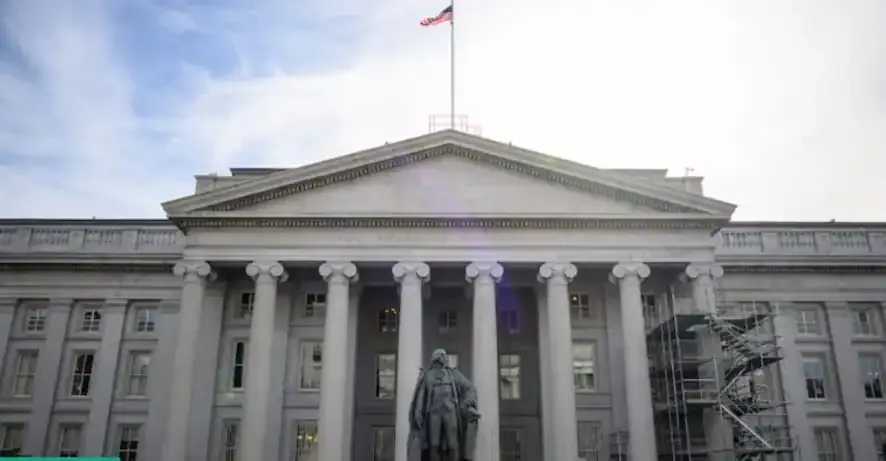
The US Treasury Department revoked a temporary license allowing Iranian oil sales, citing Iran's "wholly unacceptable" actions following attacks on commercial tankers in the Strait of Hormuz. This move shortens the wind-down period for related transactions to July 17 and coincides with renewed US military strikes on Iran. Tehran condemned the revocation as a violation of the June 18 Islamabad Memorandum of Understanding (MoU), accusing the US of breaching the agreement. Despite rising tensions and higher oil prices, US officials stated negotiations toward a final deal continue.
First-hand measurement across 13 sources
We measured how 13 outlets covered this story. Coverage leans balanced overall (Left 5%, Centre 91%, Right 4%). Overall sentiment is neutral (34/100). Lens Score 29/100 — low public interest.
Outlets analysed (first-hand measurement by TBN's Bias Engine):
- news18— balanced framing, neutral sentiment
- businessstandard— balanced framing, negative sentiment
- economictimes— balanced framing, neutral sentiment
- hindustantimes— balanced framing, neutral sentiment
- firstpost— balanced framing, neutral sentiment
- republicworld— balanced framing, negative sentiment
- thetribune— balanced framing, negative sentiment
- thetribune— balanced framing, negative sentiment
AI Analysis
The article group presents perspectives from both the US and Iran. US sources emphasize Iran's actions in the Strait of Hormuz as unacceptable and justify revoking the oil sanctions waiver as a response to tanker attacks, while Iranian sources condemn the US move as a violation of the Islamabad MoU. Coverage includes official statements from both sides and notes ongoing diplomatic efforts, reflecting a balanced representation of the geopolitical dispute.
The overall tone is serious and cautious, reflecting heightened geopolitical tensions. US sources convey a firm stance against Iran's actions, while Iranian sources express condemnation and warn of consequences. The coverage includes concerns about escalating conflict and market impacts, resulting in a mixed sentiment that combines criticism, warning, and cautious optimism about continued negotiations.