India's Passport Status Sparks Debate Over Citizenship Proof Amid Government Statements
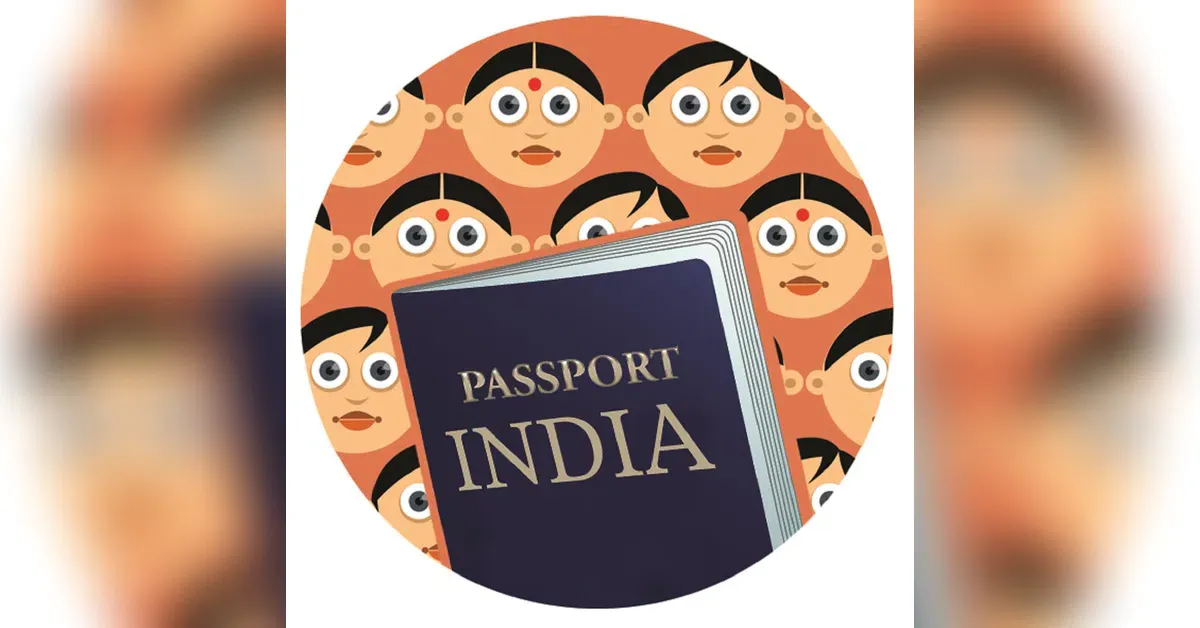
Recent statements by India's Ministry of External Affairs (MEA) clarified that passports serve as travel documents and are not definitive proof of citizenship, sparking nationwide debate. While court rulings and government manuals link passports to citizenship, the Union Home Ministry has remained silent amid public confusion. Passport ownership in India is relatively low, with about 7.7 to 10 percent of the population holding passports, compared to higher rates of other government IDs. This development challenges long-held perceptions about the passport's role in confirming citizenship.
First-hand measurement across 2 sources
We measured how 2 outlets covered this story. Coverage leans balanced overall (Left 40%, Centre 55%, Right 5%). Overall sentiment is neutral (40/100). Lens Score 28/100 — low public interest.
Outlets analysed (first-hand measurement by TBN's Bias Engine):
- thequint— left-leaning framing, negative sentiment
- businessstandard— balanced framing, neutral sentiment
AI Analysis
The articles reflect differing institutional perspectives, with the MEA emphasizing the passport as a travel document and courts historically linking it to citizenship. The Union Home Ministry's silence is noted, highlighting governmental ambiguity. Coverage includes government viewpoints and public reactions without partisan framing, presenting a balanced view of the ongoing debate.
The tone across the articles is largely neutral to concerned, focusing on public confusion and institutional uncertainty. There is no overtly positive or negative sentiment toward any party, but the coverage underscores the disruption caused by the MEA's statement and the resulting debate over citizenship documentation.
How 2 sources covered this story
Each source's own headline, political lean, and sentiment — so you can see framing differences at a glance.