2 hours agoPolitics
36LENS
2 SourcesPune, India
 thebalanced.news
Opposition Motions and Election Commission Actions Raise Institutional Trust Concerns in India
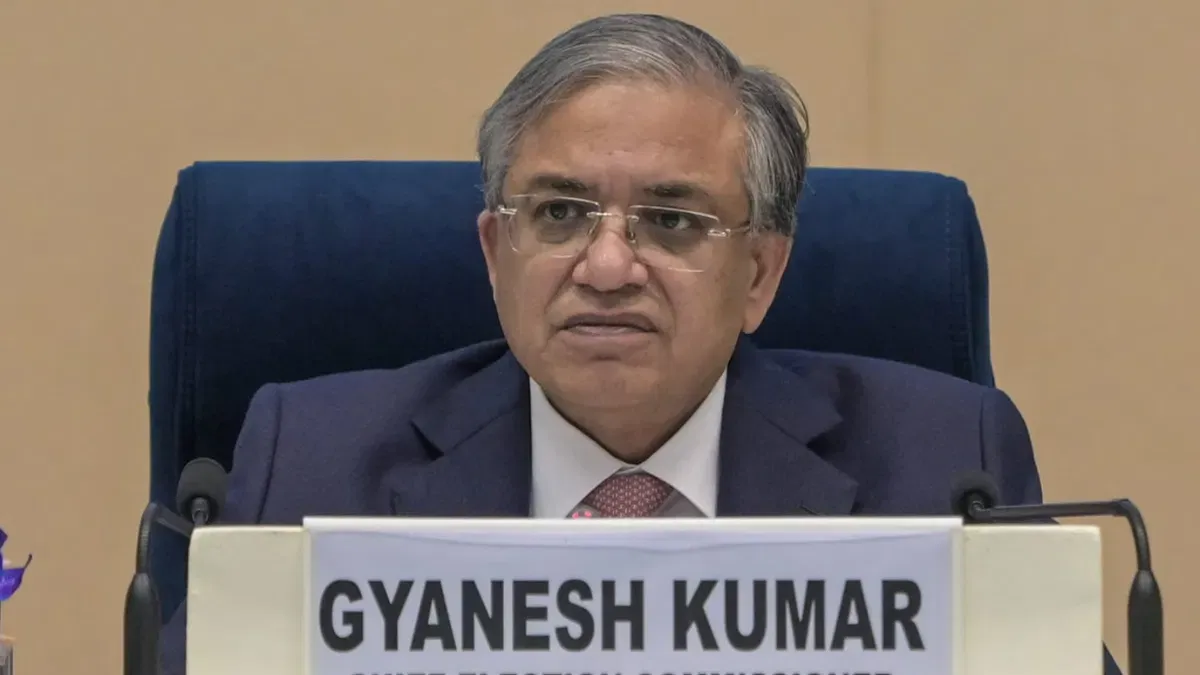
Recent political developments in India highlight concerns over institutional trust and electoral integrity. The Election Commission's transfer of senior Bengal officials at night has drawn criticism for perceived centralization and political bias ahead of elections, raising questions about its neutrality. Concurrently, the parliamentary Opposition's motions against the Lok Sabha Speaker and Chief Election Commissioner reflect broader worries about a trust deficit in democratic institutions and the challenge of maintaining institutional independence beyond individual office-holders.
Political Bias
70%25%5%
Sentiment
22%
21 stories available
View AI Analysis
Bias Analysis: The articles represent perspectives critical of current institutional actions, particularly focusing on the Election Commission's role and parliamentary motions initiated by the Opposition. They highlight concerns about centralization of power and political influence, reflecting skepticism toward ruling authorities while emphasizing the importance of institutional independence and democratic norms. Both sources frame the issues as systemic rather than solely personal or partisan.
Sentiment: The overall tone across the articles is critical and concerned, emphasizing challenges to democratic processes and institutional trust. While not overtly negative, the coverage underscores apprehension about political interference and erosion of neutrality in key democratic bodies, reflecting a cautious and serious sentiment regarding the health of India's democratic institutions.
Lens Score: 36/100 — Story is receiving appropriate media attention. Public interest: 0/100. Coverage gap: 100%.
Accountability Flags: abuse of power, systemic failure, rights violation, electoral malpractice.
Related Coverage
Select a news story to see related coverage from other media outlets.