China Enacts Ethnic Unity Law with Provisions Extending Beyond Borders
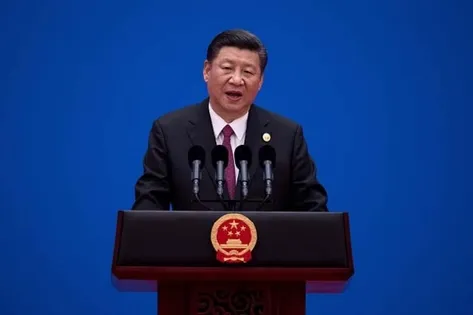
China's Ethnic Unity and Progress Law, effective from July 1, aims to promote a unified national identity among its 56 ethnic groups by mandating Mandarin and patriotic education. The law includes provisions allowing China to hold individuals and organizations outside its borders legally responsible for acts deemed to undermine ethnic unity. Human rights groups and diaspora communities express concern this could justify transnational repression and restrict cultural and religious freedoms. Taiwan and UN officials have also criticized the law for potential human rights violations.
First-hand measurement across 2 sources
We measured how 2 outlets covered this story. Coverage leans left-leaning overall (Left 70%, Centre 25%, Right 5%). Overall sentiment is negative (28/100). Lens Score 39/100 — moderate-to-low public interest.
Outlets analysed (first-hand measurement by TBN's Bias Engine):
- swarajyamag— left-leaning framing, negative sentiment
- ndtv— left-leaning framing, negative sentiment
AI Analysis
The article group presents perspectives from Chinese official policy emphasizing national unity and integration, alongside critical views from international human rights organizations, diaspora communities, and Taiwan. Coverage highlights concerns about potential overreach and repression without endorsing any side, reflecting a balance between government intentions and external criticisms.
The overall tone is cautious and critical, focusing on concerns raised by human rights advocates and affected communities regarding the law's implications. While the law's objectives are described factually, the sentiment leans toward highlighting potential negative impacts on minority rights and freedoms, resulting in a predominantly concerned but neutral coverage.
How 2 sources covered this story
Each source's own headline, political lean, and sentiment — so you can see framing differences at a glance.