TMC Faces Internal Split as Rival Factions Occupy Separate Benches in West Bengal Assembly
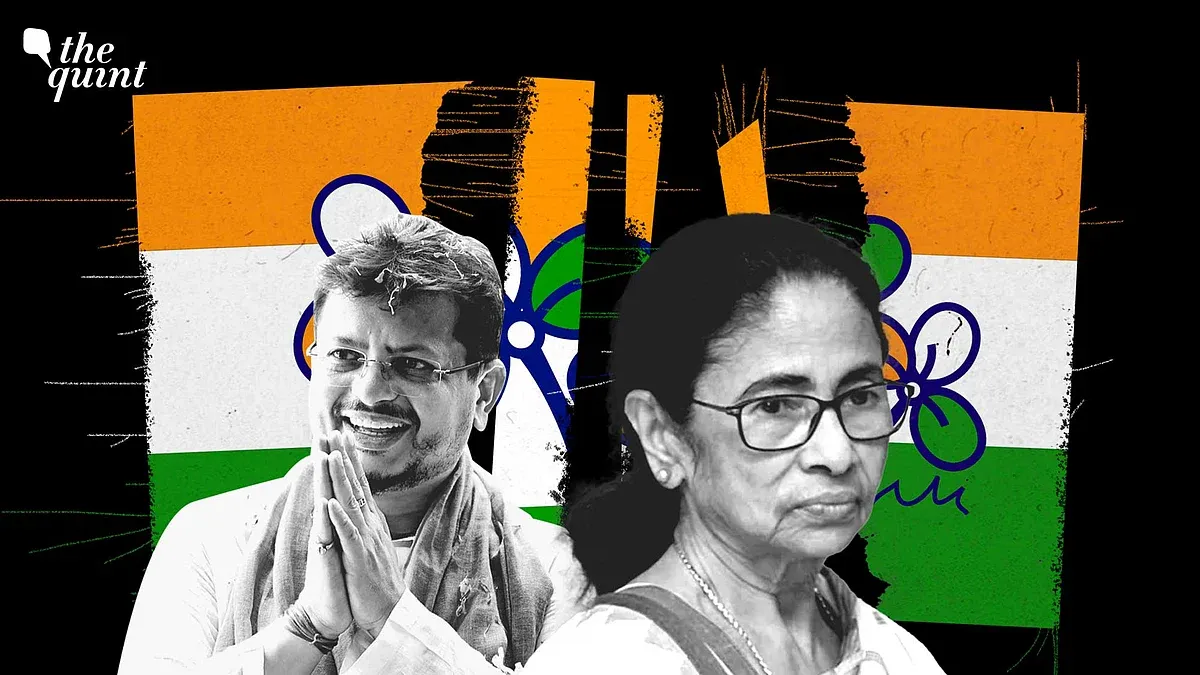
The Trinamool Congress (TMC) in West Bengal is experiencing a significant internal split following its recent electoral defeat. Rival factions led by Opposition Leader Ritabrata Banerjee and Mamata Banerjee loyalists, including Sovandeb Chattopadhyay and Kunal Ghosh, occupy separate benches in the state assembly, reflecting broader divisions in Parliament. The Mamata camp has requested separate seating and speaking time, emphasizing their continued allegiance to the party leadership, while the rebel faction holds majority support among dissident MLAs and MPs, highlighting a deepening organizational crisis.
First-hand measurement across 5 sources
We measured how 5 outlets covered this story. Coverage leans left-leaning overall (Left 60%, Centre 32%, Right 8%). Overall sentiment is neutral (41/100). Lens Score 37/100 — moderate-to-low public interest.
Outlets analysed (first-hand measurement by TBN's Bias Engine):
- hindustantimes— left-leaning framing, neutral sentiment
- indianexpress— left-leaning framing, neutral sentiment
- thestatesman— left-leaning framing, neutral sentiment
- economictimes— left-leaning framing, neutral sentiment
- thequint— balanced framing, neutral sentiment
AI Analysis
The articles represent perspectives from both the Mamata Banerjee loyalists and the dissident faction led by Ritabrata Banerjee, presenting their respective claims and actions without favoring either side. Coverage includes official statements, seating arrangements, and political maneuvers, reflecting the party's internal power struggle. The sources frame the story as a political and organizational crisis within the TMC, highlighting the complexity of intra-party dynamics.
The overall tone across the articles is neutral to cautious, focusing on factual reporting of the TMC's internal divisions and legislative developments. While some language conveys concern about the party's fragmentation, the coverage avoids sensationalism, instead emphasizing procedural aspects like seating and speaking rights. The sentiment reflects a balanced view of political tensions without overtly positive or negative judgments.