West Bengal BJP Government Presents 2026-27 Budget Emphasizing Jobs, Welfare, and Fiscal Discipline
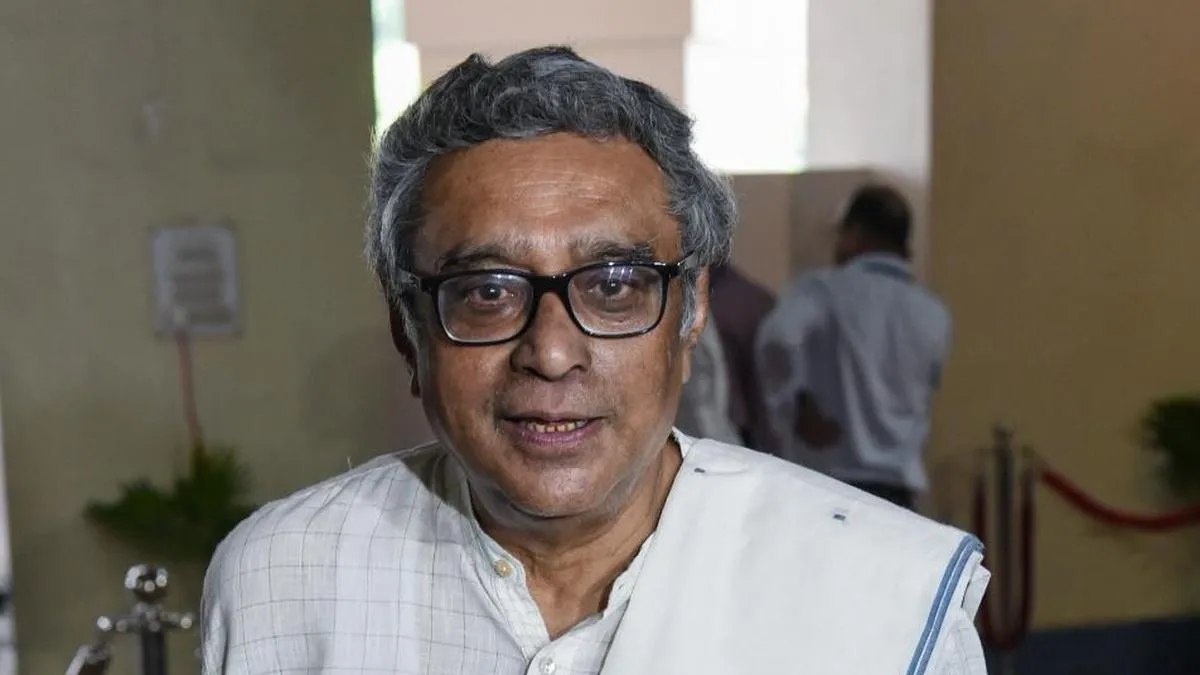
West Bengal's first full BJP government budget for 2026-27, presented by Finance Minister Swapan Dasgupta, focuses on balancing welfare commitments with fiscal consolidation amid an inherited debt exceeding Rs 8 lakh crore. Key announcements include filling 1 lakh government vacancies with 33% reserved for women, a 20% hike in Dearness Allowance effective October, Rs 36,000 crore allocated for the Annapurna Yojana women's financial scheme, infrastructure projects including a new airport near Kolkata, and initiatives to boost industrial growth and employment. Existing social welfare schemes will continue with stricter targeting to ensure benefits reach genuine beneficiaries.
First-hand measurement across 15 sources
We measured how 15 outlets covered this story. Coverage leans balanced overall (Left 16%, Centre 49%, Right 35%). Overall sentiment is positive (70/100). Lens Score 36/100 — moderate-to-low public interest.
Outlets analysed (first-hand measurement by TBN's Bias Engine):
- ndtv— right-leaning framing, positive sentiment
- theassamtribune— balanced framing, positive sentiment
- thetribune— balanced framing, positive sentiment
- news18— balanced framing, positive sentiment
- indianexpress— balanced framing, positive sentiment
- thetelegraph— balanced framing, neutral sentiment
- news18— balanced framing, positive sentiment
- hindustantimes— right-leaning framing, positive sentiment
AI Analysis
The article group reflects a range of perspectives primarily focused on the BJP government's budget initiatives following its electoral victory, highlighting commitments to fiscal consolidation, welfare continuation, and job creation. Coverage includes official statements and policy details without overt partisan framing, though some sources emphasize the government's break from previous Trinamool Congress policies. Opposition views or critiques are minimally represented, focusing mainly on government announcements and plans.
The overall tone across the articles is cautiously optimistic, emphasizing the government's efforts to address fiscal challenges while promoting welfare and employment. Positive sentiment is evident in highlighting new initiatives and benefits for employees and women, balanced by acknowledgment of the state's significant debt burden and fiscal constraints. The coverage remains largely neutral, presenting facts and official statements without strong emotional language or criticism.