West Bengal BJP Government Presents 2026-27 Budget Emphasizing Jobs, Welfare, and Infrastructure
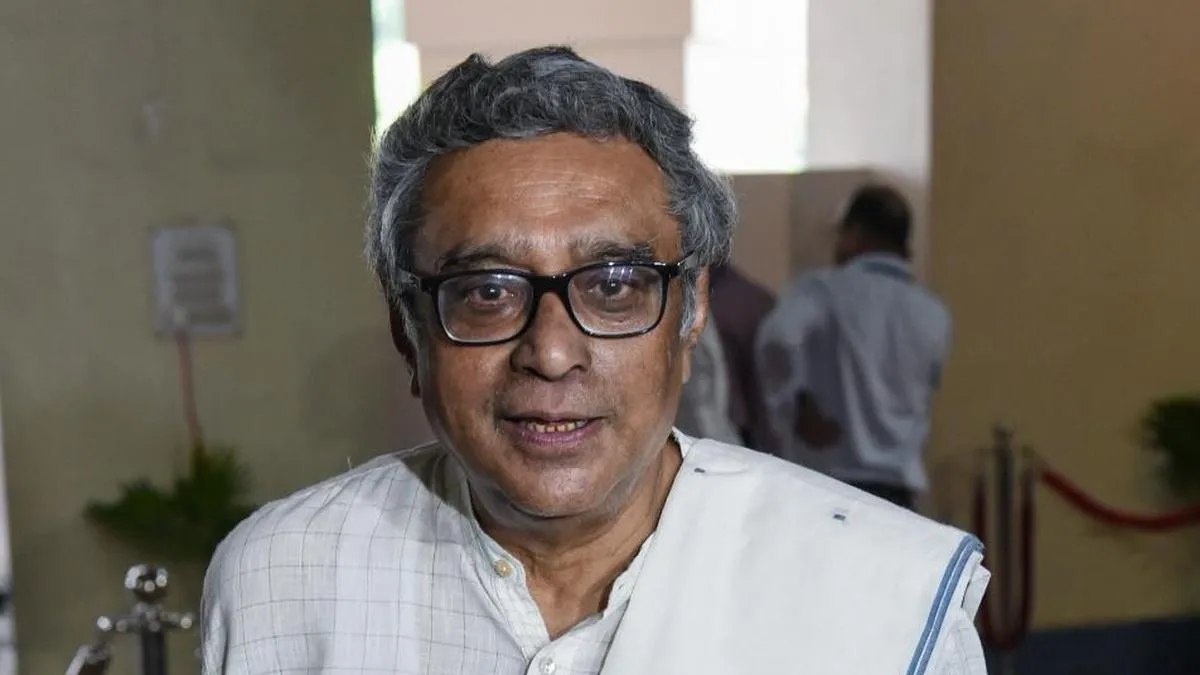
West Bengal's first BJP government presented its 2026-27 budget focusing on job creation, industrial growth, and welfare continuity amid a significant inherited debt of over Rs 8 lakh crore. Finance Minister Swapan Dasgupta announced filling 1 lakh government vacancies with 33% reserved for women, a 20% hike in Dearness Allowance effective October, and Rs 36,000 crore for the Annapurna Yojana supporting women. Infrastructure projects include a new airport near Kolkata, a deep-sea port, and metro studies. The budget also proposes reforms to improve ease of doing business, social security for gig and migrant workers, and enhanced allocations for rural development and education, while maintaining existing welfare schemes with targeted modifications.
First-hand measurement across 15 sources
We measured how 15 outlets covered this story. Coverage leans balanced overall (Left 20%, Centre 50%, Right 30%). Overall sentiment is positive (71/100). Lens Score 36/100 — moderate-to-low public interest.
Outlets analysed (first-hand measurement by TBN's Bias Engine):
- thefinancialexpress— balanced framing, positive sentiment
- thefinancialexpress— balanced framing, positive sentiment
- thestatesman— left-leaning framing, positive sentiment
- english— balanced framing, positive sentiment
- oneindia— right-leaning framing, positive sentiment
- news18— balanced framing, positive sentiment
- swarajyamag— balanced framing, positive sentiment
- freepressjournal— balanced framing, positive sentiment
AI Analysis
The article group reflects a range of perspectives primarily centered on the BJP government's policy initiatives following its electoral victory. Coverage includes official statements highlighting fiscal challenges, welfare commitments, and development plans, alongside opposition critiques such as budget cuts to minority affairs. Sources frame the budget as a political and economic shift from the previous Trinamool Congress administration, with emphasis on governance reforms and investment promotion, representing both supportive and critical viewpoints without overt partisan language.
The overall tone across the articles is mixed to positive, focusing on the government's ambitious plans for employment, welfare expansion, and infrastructure development. While many sources highlight the budget's potential benefits and reform agenda, some note challenges such as the large inherited debt and reductions in minority affairs funding, reflecting cautious optimism tempered by scrutiny. The sentiment balances enthusiasm for new initiatives with recognition of fiscal constraints and political contestation.