Modi Surpasses Nehru's Post-Election Tenure Amid Debate on Political Longevity
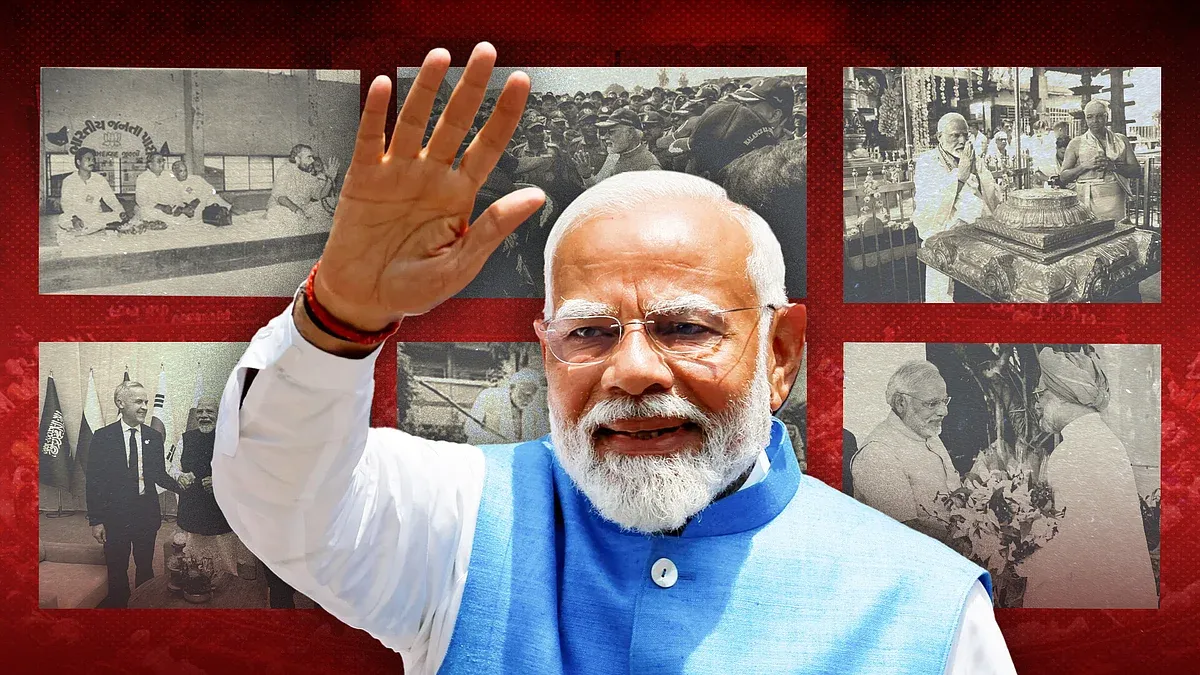
The BJP-led NDA recently marked Prime Minister Narendra Modi's completion of 4,399 consecutive days in office, surpassing Jawaharlal Nehru's post-election tenure. However, comparisons are complex, as Nehru served as head of government from India's independence in 1947, totaling over 6,000 days when including his interim roles. The celebration of Modi's longevity raises questions about the political messaging of extended governance in a democracy, emphasizing reflection on time in power alongside future prospects.
First-hand measurement across 2 sources
We measured how 2 outlets covered this story. Coverage leans balanced overall (Left 20%, Centre 75%, Right 5%). Overall sentiment is neutral (58/100). Lens Score 23/100 — low public interest.
Outlets analysed (first-hand measurement by TBN's Bias Engine):
- newslaundry— balanced framing, neutral sentiment
- freepressjournal— balanced framing, neutral sentiment
AI Analysis
The articles present differing perspectives on the significance of Modi's tenure length. One focuses on the political communication aspect of celebrating longevity, highlighting its implications for democratic engagement. The other emphasizes historical context, cautioning against simplistic numerical comparisons with Nehru's extended service. Both sources provide factual information without overt partisan framing, reflecting a balanced discourse on political tenure.
The overall tone is neutral and analytical, with neither article expressing overt praise or criticism. Coverage centers on factual clarification and interpretation of political messaging, maintaining an objective stance. The sentiment is measured, focusing on understanding the implications of tenure length rather than emotional or evaluative judgments.