Amazon Prime's 'Raakh' Faces Debate Over Creative Liberty and Historical Accuracy
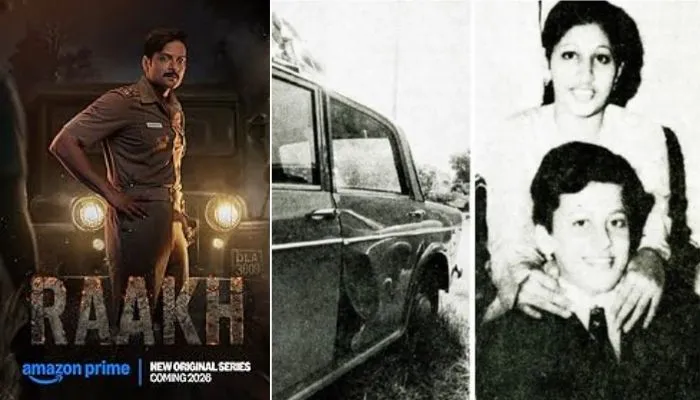
The Amazon Prime Video series 'Raakh,' inspired by the 1978 Geeta and Sanjay Chopra kidnapping and murder case, has sparked controversy for altering the castes, religions, and roles of real-life figures. Critics argue the show injects ideological narratives emphasizing caste oppression and religious virtue, diverging from official records. Supporters note creative liberty is common in biographical storytelling, though concerns arise over potential distortion to fit contemporary identity politics. This debate reflects broader tensions over representation in Indian streaming content.
First-hand measurement across 2 sources
We measured how 2 outlets covered this story. Coverage leans centre-right overall (Left 25%, Centre 37%, Right 38%). Overall sentiment is negative (30/100). Lens Score 21/100 — low public interest.
Outlets analysed (first-hand measurement by TBN's Bias Engine):
- swarajyamag— balanced framing, neutral sentiment
- opindia— right-leaning framing, negative sentiment
AI Analysis
The articles represent contrasting perspectives on the portrayal of real events in 'Raakh.' One viewpoint criticizes the series for promoting anti-Hindu and caste-based narratives, framing it as ideologically driven. The other acknowledges the use of creative liberty in storytelling but raises concerns about its potential misuse for political agendas. Both sources engage with the broader discourse on identity politics and media representation in India.
The overall tone across the articles is mixed, combining criticism of perceived ideological distortions with recognition of artistic freedom in dramatizing real events. While one source expresses negative sentiment toward the series' narrative choices, the other adopts a more analytical stance, highlighting the complexities of adapting history for screen. This results in a balanced sentiment reflecting both concern and understanding.