Special Intensive Revision of Electoral Rolls Raises Awareness and Inclusion Concerns in India
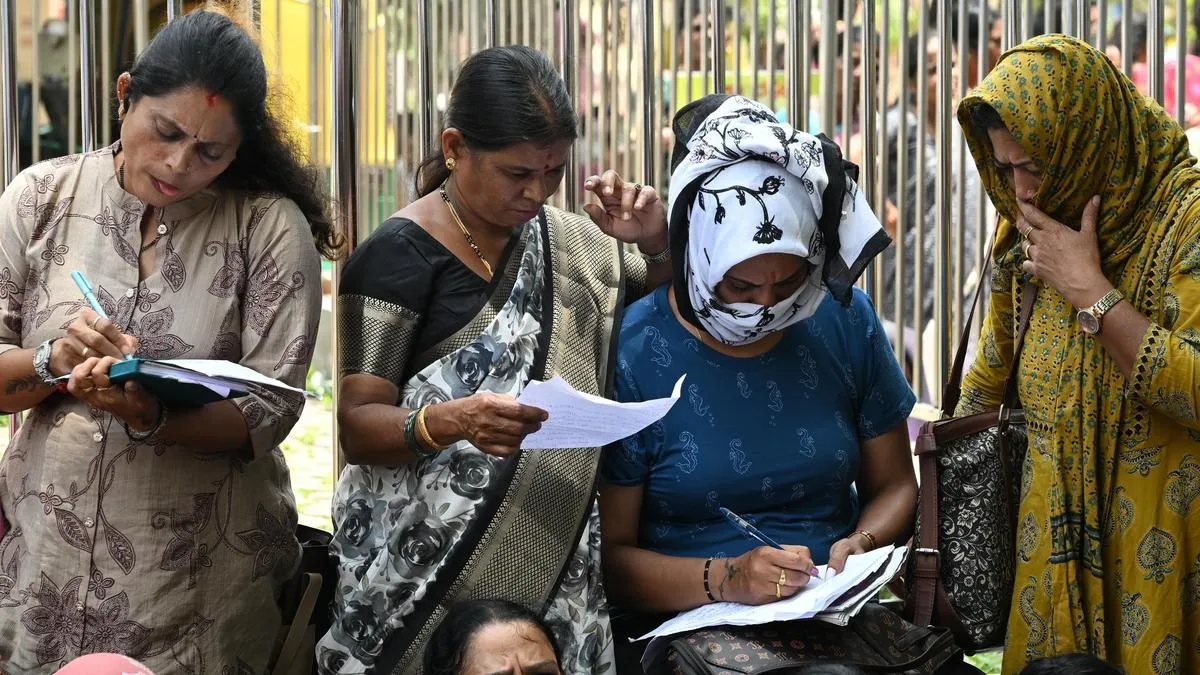
The Special Intensive Revision (SIR) of electoral rolls aims to update voter lists by linking current records with those from 2002, involving door-to-door verification and document submission. A Bengaluru survey revealed low awareness and confusion about SIR, with concerns over document requirements and possible exclusion of eligible voters. Kannada writers have opposed SIR in Karnataka, citing risks of disenfranchisement and demanding transparency and extended appeal periods. Telangana's SIR process is scheduled from June 25 to July 24, with Booth Level Officers assisting voters.
First-hand measurement across 3 sources
We measured how 3 outlets covered this story. Coverage leans balanced overall (Left 37%, Centre 61%, Right 2%). Overall sentiment is neutral (43/100). Lens Score 36/100 — moderate-to-low public interest.
Outlets analysed (first-hand measurement by TBN's Bias Engine):
- thehindu— balanced framing, neutral sentiment
- thehindu— balanced framing, neutral sentiment
- thehindu— left-leaning framing, negative sentiment
AI Analysis
The articles present multiple perspectives including official explanations from the Election Commission, civil society concerns from Kannada writers, and grassroots feedback from Bengaluru residents. The coverage includes government procedural details, opposition viewpoints highlighting potential voter exclusion, and calls for transparency and fairness, reflecting a balanced representation of stakeholders without favoring any political ideology.
The overall tone is mixed, combining informative descriptions of the SIR process with concerns about voter awareness gaps and potential disenfranchisement. While the official perspective emphasizes procedural updates and democratic integrity, civil society voices express apprehension about exclusion risks, resulting in a nuanced sentiment that acknowledges both the intent and challenges of the revision exercise.