Google and Meta Tell Delhi HC They Cannot Proactively Monitor Unauthorized Court Videos
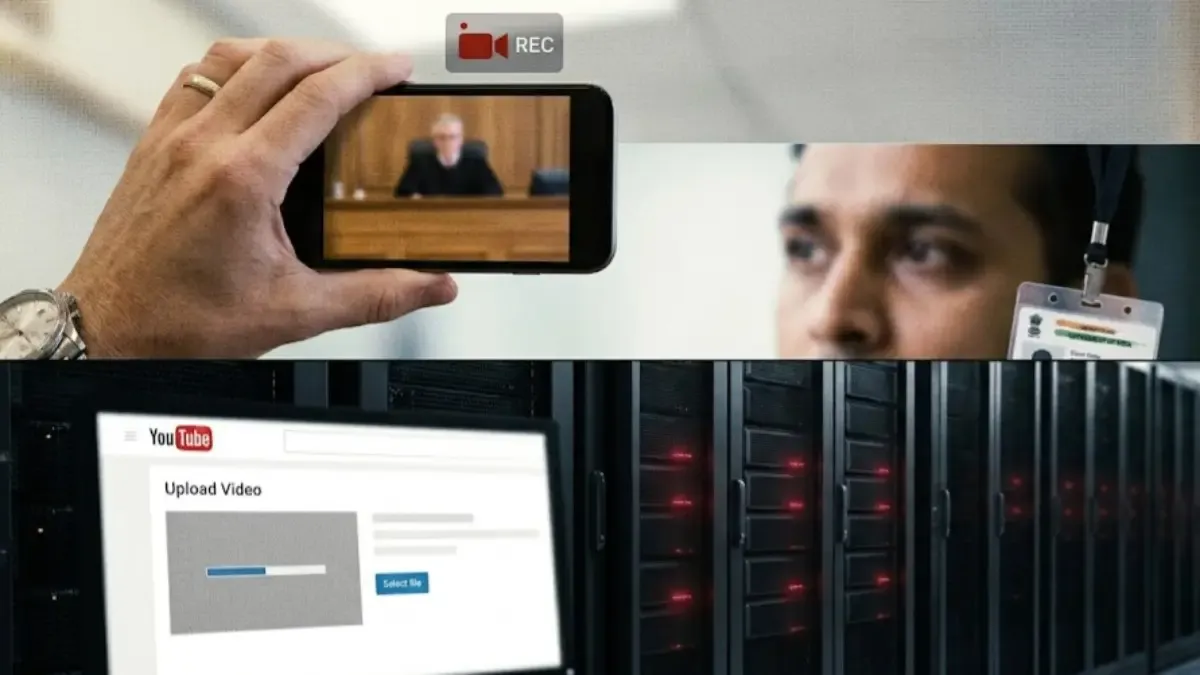
Google and Meta have informed the Delhi High Court that they cannot proactively monitor or prevent unauthorized recordings of court proceedings, including videos related to Arvind Kejriwal's recusal plea, from being uploaded on their platforms. Both companies emphasized their role as intermediaries under Indian law, stating they remove content only upon receiving specific court orders or flagged URLs. They highlighted technical and legal challenges, including varying court recording rules and the impracticality of policing vast volumes of content, opposing demands for proactive censorship or penalties without clear legal mandates.
First-hand measurement across 3 sources
We measured how 3 outlets covered this story. Coverage leans balanced overall (Left 20%, Centre 74%, Right 6%). Overall sentiment is neutral (45/100). Lens Score 38/100 — moderate-to-low public interest.
Outlets analysed (first-hand measurement by TBN's Bias Engine):
- economictimes— balanced framing, neutral sentiment
- economictimes— balanced framing, neutral sentiment
- republicworld— balanced framing, neutral sentiment
AI Analysis
The article group presents perspectives primarily from the technology companies Google and Meta, focusing on their legal and technical arguments against proactive content monitoring. The coverage includes the petitioner’s concerns about unauthorized court video leaks but centers on the intermediaries’ defense under the IT Act. The framing is largely legalistic and procedural, with limited political commentary, reflecting a focus on platform liability rather than political implications.
The overall tone across the articles is neutral to cautious, emphasizing the challenges faced by tech platforms in policing content without overstepping legal boundaries. The sentiment reflects a balance between acknowledging the petitioner’s concerns about unauthorized recordings and the companies’ arguments about technical limitations and legal responsibilities. There is no overtly positive or negative language, maintaining an objective stance on the issue.