Skip to content
Get the Balanced News app for a better experience!
The Balanced News Logo
Analytics
The Balanced News Logo

Stay Balanced, Stay Informed

Menu
  • Browse News
  • Underreported Stories
  • Curated Feeds
  • Insights
  • Analytics
  • Our Writers
  • About Us
  • Download App
Learn
  • How It Works
  • Bias Detection
  • Lens Score
  • Source Bias Checker
  • Accountability
  • Custom Feeds
Newsroom
  • Writers & Analysts
  • About TBN
  • Editorial Standards
  • Corrections Policy
  • Our Partners
  • Insights
Socials
  • Youtube
  • Instagram
  • X
  • Facebook
News Categories
  • Trending
  • Politics
  • Sports
  • Business
  • Tech
  • Entertainment
  • Health
  • Science
  • Crime
  • Lifestyle
  • National
  • International
  • Good News
  • Crypto

Get Our App

Available for iOS and Android


LensFeedsInsightsAnalyticsTrendingGood NewsSportsPoliticsBusinessCrimeTechEntertainmentHealthNationalInternational

© 2026 The Balanced News. All rights reserved.

About UsEditorial StandardsCorrectionsHelp & SupportPrivacy PolicyTerms & Conditions
Google Tells Delhi High Court It Cannot Proactively Monitor Unauthorized Court Videos on YouTube
Categories

Categories

Related Coverage

Select a news story to see related coverage from other media outlets.

Related Coverage

Select a news story to see related coverage from other media outlets.

  1. Home
  2. /
  3. Politics

Google Tells Delhi High Court It Cannot Proactively Monitor Unauthorized Court Videos on YouTube

Analysed 6 Jul 2026·3 sources analysed·Delhi, India·Politics
Google Tells Delhi High Court It Cannot Proactively Monitor Unauthorized Court Videos on YouTubePreviousNext

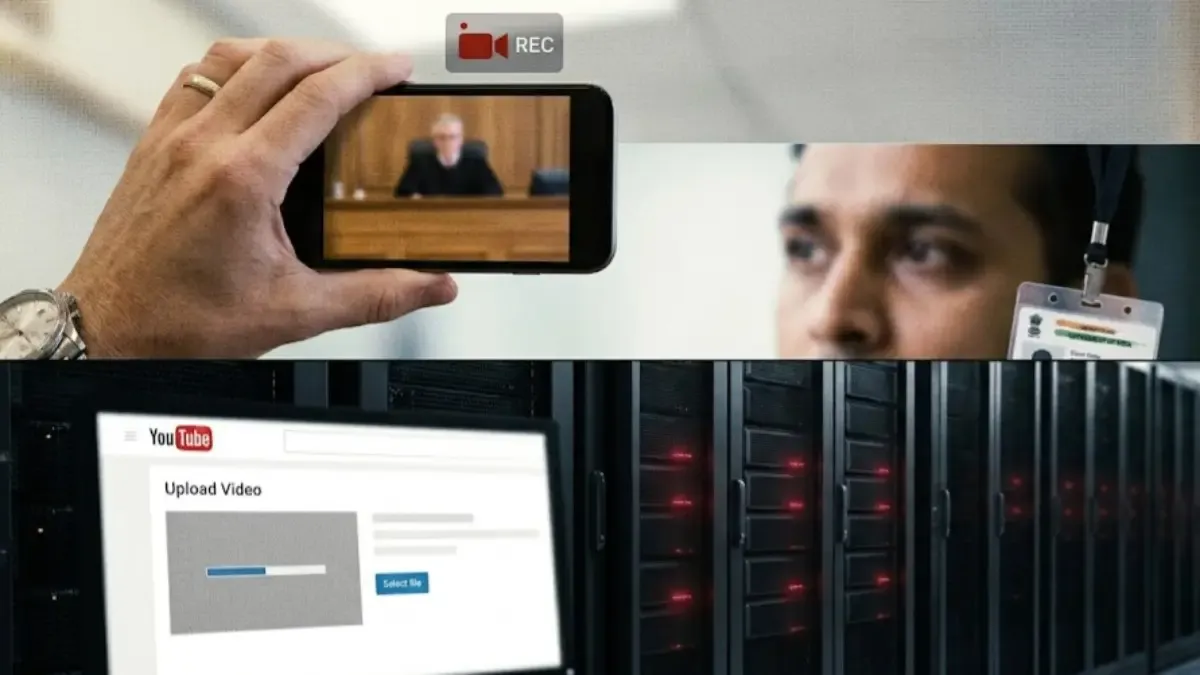
Google has informed the Delhi High Court that it cannot proactively monitor or prevent unauthorized recordings of court proceedings from being uploaded on YouTube. Citing its role as an intermediary under Indian law, Google stated it does not create or control third-party content and only removes videos upon receiving specific court orders. The company highlighted technological limitations and varying court policies on recordings, arguing that policing millions of videos or distinguishing lawful from unlawful content is not feasible. Google has blocked identified URLs and seeks dismissal of the petition demanding proactive monitoring and penalties.

TBN's observations

First-hand measurement across 4 sources

We measured how 4 outlets covered this story. Coverage leans balanced overall (Left 10%, Centre 85%, Right 5%). Overall sentiment is neutral (45/100). Lens Score 38/100 — moderate-to-low public interest.

Outlets analysed (first-hand measurement by TBN's Bias Engine):

  • indianexpress— balanced framing, neutral sentiment
  • economictimes— balanced framing, neutral sentiment
  • economictimes— balanced framing, neutral sentiment
  • republicworld— balanced framing, neutral sentiment
Political Bias
10%85%5%
Sentiment
45%
AI analysis of 4 sources · Published under editorial oversight by The Balanced News
Analysed 6 Jul 2026· How this analysis is produced· Editorial standards· Corrections

AI Analysis

Political bias across 3 sources
● Left 10%● Center 85%● Right 5%

The articles primarily present Google's legal and technical stance without political framing. They reflect the company's intermediary liability defense under Indian law and the challenges of content regulation on digital platforms. The coverage includes the judiciary's involvement but does not emphasize political viewpoints or partisan interpretations, focusing instead on legal and procedural aspects.

Sentiment — Neutral (45/100)

The tone across the articles is neutral and factual, focusing on Google's explanation of its limitations and legal obligations. There is no evident positive or negative sentiment toward Google or the court; rather, the coverage emphasizes the complexity of regulating online content and the practical challenges faced by platforms like YouTube.

How 4 sources covered this story

Each source's own headline, political lean, and sentiment — so you can see framing differences at a glance.

Reviewed byPrajakta Kale· Political Analyst· Edited byOjas Kale
← Previous
Turkey Hosts NATO Summit After 22 Years Amid Heightened Security Measures
Next →
New Zealand PM Luxon Praises India’s Growth and Supports India-NZ Free Trade Agreement
SourceTheir headlineBiasSentiment
indianexpress'Impossible' to monitor billions of posts: Google, Meta say they're not 'super censors'CenterNeutral
economictimesGoogle tells Delhi HC it can't proactively monitor alleged court hearing video re-uploadsCenterNeutral
economictimesGoogle tells Delhi HC it cannot proactively monitor or prevent re-uploads of alleged court hearing videos; seeks dismissal of pleaCenterNeutral
republicworldYouTube Can't Play Judge: Google Tells Delhi HC It's Powerless to Stop Court Video LeaksCenterNeutral

Coverage timeline

republicworld broke this story on 6 Jul, 05:56 am. Other outlets followed.

  1. 1
    republicworld6 Jul, 05:56 am
    YouTube Can't Play Judge: Google Tells Delhi HC It's Powerless to Stop Court Video Leaks
  2. 2
    economictimes6 Jul, 07:27 am
    Google tells Delhi HC it cannot proactively monitor or prevent re-uploads of alleged court hearing videos; seeks dismissal of plea
  3. 3
    economictimes6 Jul, 07:34 am
    Google tells Delhi HC it can't proactively monitor alleged court hearing video re-uploads
  4. 4
    indianexpress6 Jul, 01:33 pm
    'Impossible' to monitor billions of posts: Google, Meta say they're not 'super censors'

Lens Score breakdown

38/100
Public interest0/100
Coverage gap90%

Story is receiving appropriate media attention relative to public interest.

Who's involved

Institutions and figures named across source coverage.

Government
Ministry of Electronics and Information TechnologyDelhi High Court
Corporate
YouTubeGoogle LLCGoogle
Political
Manish SisodiaArvind Kejriwal
Judiciary
Supreme CourtDelhi High Court

Story context

Category
Politics
Location
Delhi, India
Sources analysed
3
Last analysed
6 Jul 2026
Key entities
GoogleYouTubeDelhi High CourtDelhiIndiaURLAffidavitArvind KejriwalSocial mediaInformation Technology Act, 2000Public interest litigation in IndiaCourt order