Cockroach Janta Party Appoints Spokespersons Ahead of June 6 Protest in Delhi
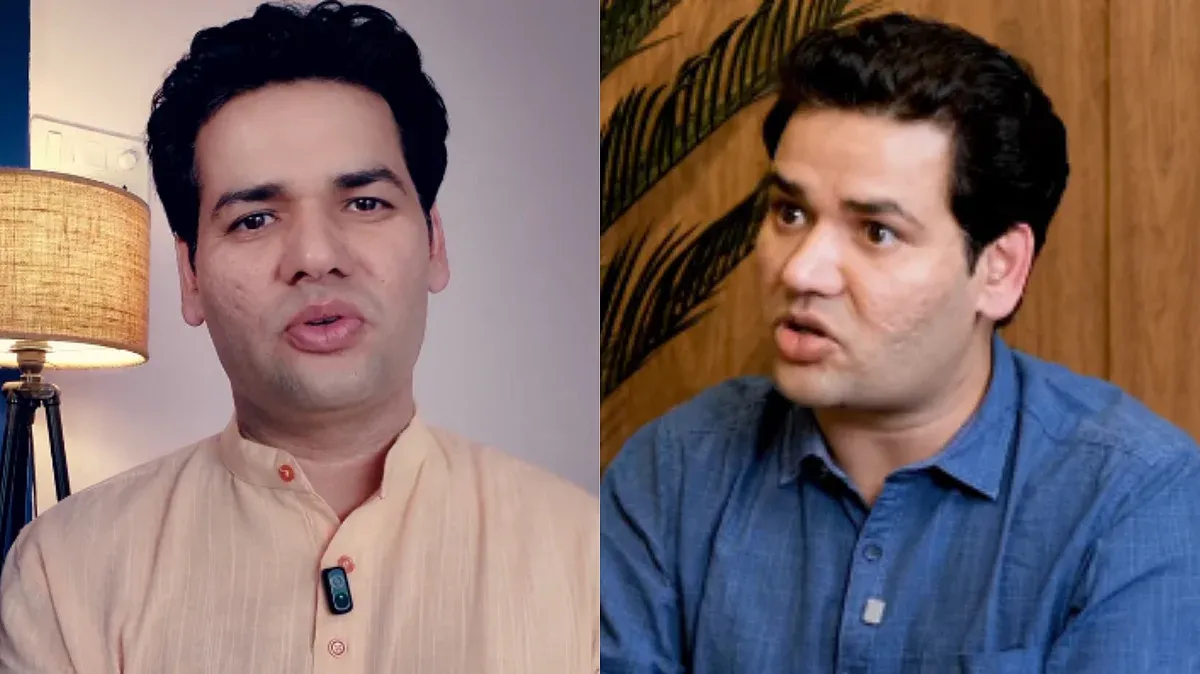
The Cockroach Janta Party (CJP), a youth-led movement originating from social media satire, has appointed three spokespersons—investigative journalist Saurav Das, political researcher and filmmaker Vijeta Dahiya, and former McKinsey consultant Ashutosh Ranka—to represent the group ahead of a planned protest on June 6 in Delhi. The protest demands the resignation of Education Minister Dharmendra Pradhan over alleged examination irregularities, including the NEET paper leak. The CJP emphasizes grassroots support, transparency, and accountability, with endorsements from activists like Sonam Wangchuk. The party faces criticism for lack of female spokespersons, which founder Abhijeet Dipke attributes to concerns over online harassment. The movement seeks to broaden its public engagement and reshape political discourse through youth leadership.
First-hand measurement across 15 sources
We measured how 15 outlets covered this story. Coverage leans centre-left overall (Left 49%, Centre 47%, Right 4%). Overall sentiment is neutral (50/100). Lens Score 32/100 — low public interest.
Outlets analysed (first-hand measurement by TBN's Bias Engine):
- hindustantimes— left-leaning framing, neutral sentiment
- economictimes— balanced framing, neutral sentiment
- zeenews— left-leaning framing, neutral sentiment
- english— balanced framing, neutral sentiment
- thetelegraph— balanced framing, neutral sentiment
- thetribune— left-leaning framing, neutral sentiment
- republicworld— balanced framing, neutral sentiment
- thequint— balanced framing, neutral sentiment
AI Analysis
The article group presents perspectives primarily from the Cockroach Janta Party and its supporters, highlighting their demands for education reform and accountability. It includes responses to criticism about representation and government accountability calls but lacks direct government or opposition viewpoints. Coverage focuses on the movement's framing as a youth-driven, grassroots initiative aiming to influence political discourse, reflecting a range of voices within the movement and its critics.
The overall tone across the articles is mixed, combining positive coverage of the CJP's organizational steps and growing support with critical attention to issues like the absence of women spokespersons and challenges related to protest permissions. The sentiment reflects cautious optimism about the movement's potential impact alongside acknowledgment of controversies and public scrutiny.