Supreme Court Declines Interim Relief on CBSE's Three-Language Policy Implementation
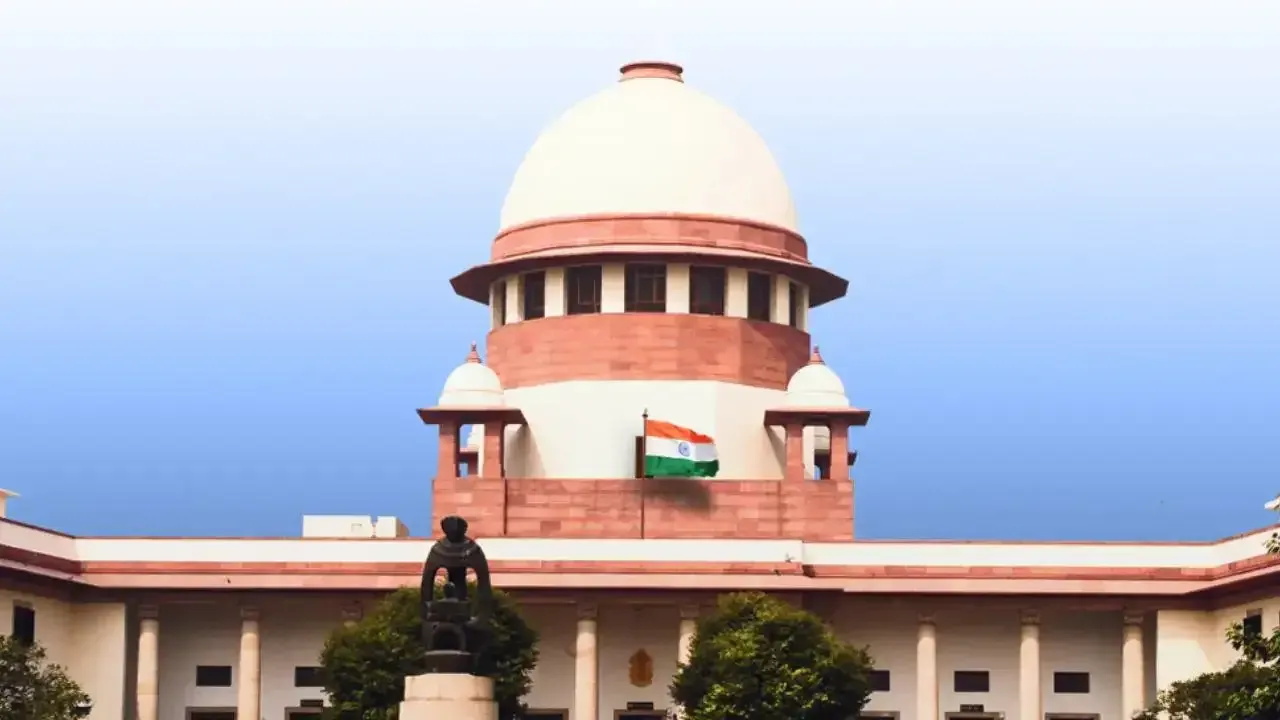
The Supreme Court on June 18 declined to grant interim relief against the Central Board of Secondary Education's (CBSE) new three-language policy, which mandates Class 9 students to study three languages, including two Indian languages and one foreign language, from the 2026-27 academic year. The plea, filed by the NGO Friends of People for Active Democracy, challenges the policy's implementation, not the policy itself. The court has scheduled a detailed hearing for July 14, after seeking comprehensive responses from the Centre, CBSE, and NCERT.
First-hand measurement across 5 sources
We measured how 5 outlets covered this story. Coverage leans balanced overall (Left 12%, Centre 83%, Right 5%). Overall sentiment is neutral (48/100). Lens Score 33/100 — low public interest.
Outlets analysed (first-hand measurement by TBN's Bias Engine):
- indiatoday— balanced framing, neutral sentiment
- english— balanced framing, neutral sentiment
- thetribune— balanced framing, neutral sentiment
- theprint— balanced framing, neutral sentiment
- timesnow— balanced framing, neutral sentiment
AI Analysis
The articles present a neutral legal perspective focusing on the Supreme Court's procedural handling of the plea against CBSE's language policy. They include viewpoints from the petitioning NGO and the court without editorializing. The coverage reflects institutional and policy-related perspectives without partisan framing, emphasizing judicial process and administrative responses.
The overall tone across the articles is neutral and factual, reporting the court's refusal to grant interim relief and the scheduling of further hearings. There is no evident positive or negative sentiment toward the policy or the petitioners, maintaining an objective stance on the legal developments.
How 5 sources covered this story
Each source's own headline, political lean, and sentiment — so you can see framing differences at a glance.