1 hour agoPolitics
32LENS
8 SourcesKabul, Afghanistan
 thebalanced.news
Pakistan and Afghanistan Agree on Temporary Eid Ceasefire Amid Ongoing Conflict
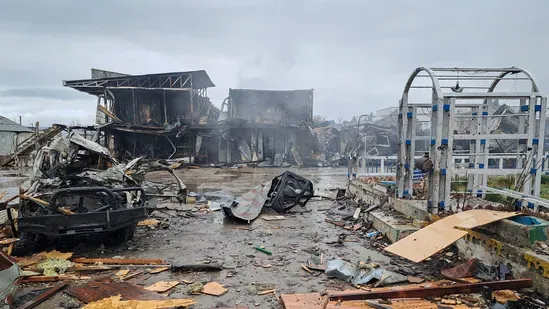
Pakistan and Afghanistan have agreed to a temporary ceasefire from March 23 to 28 to mark Eid al-Fitr, following mediation efforts by Saudi Arabia, Qatar, and Turkey. The truce pauses ongoing cross-border hostilities, including Pakistan's Operation Ghazab lil Haq against militants in Afghanistan. Both sides warned that any attacks during the ceasefire would prompt immediate military responses. The ceasefire follows a deadly Pakistani airstrike on a Kabul drug rehabilitation center, which caused significant civilian casualties and international concern. Afghanistan described its pause as a suspension of defensive operations, while Pakistan emphasized the gesture as in good faith and consistent with Islamic norms.
Political Bias
10%85%5%
Sentiment
38%
21 stories available
View AI Analysis
Bias Analysis: The article group presents perspectives from both Pakistan and Afghanistan, including official statements and warnings from each side. It includes views from Pakistani officials emphasizing counterterrorism efforts and Afghan Taliban representatives framing their actions as defensive. International actors like Saudi Arabia, Qatar, and Turkey are noted as mediators. Coverage reflects the complex security and diplomatic dynamics without favoring either party, highlighting both military actions and humanitarian concerns.
Sentiment: The overall tone is mixed, combining cautious optimism about the ceasefire with the gravity of recent violence and civilian casualties. While the ceasefire is portrayed as a positive step toward de-escalation, warnings of resumed hostilities and reports of deadly airstrikes contribute to a somber and tense atmosphere. The coverage balances humanitarian impact with security considerations, reflecting both hope for peace and ongoing conflict risks.
Lens Score: 32/100 — Story is well-covered by media outlets. Public interest: 0/100. Coverage gap: 90%.
Accountability Flags: public safety issue.
Related Coverage
Select a news story to see related coverage from other media outlets.