Supreme Court Directs Creation of Fund to Support Young Lawyers and Improve Women Lawyers' Facilities
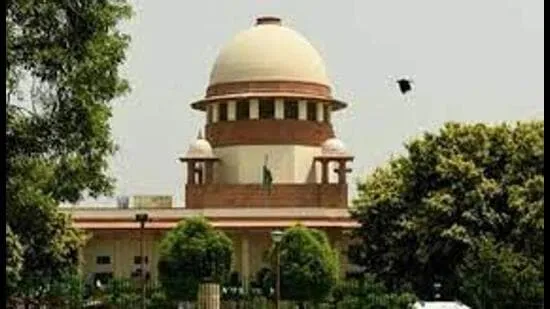
The Supreme Court of India has directed the creation of a "Young Lawyers' Professional Assistance Fund" in every state and Union Territory to address financial hardships faced by young advocates, especially first-generation and economically disadvantaged lawyers. The court warned that without such support, many promising lawyers may leave the profession, causing a 'brain drain.' The bench also emphasized the need for improved infrastructure and facilities for women lawyers to ensure their effective and safe participation in the legal profession. Notices have been issued to the Centre, states, and Bar Councils seeking responses on these issues.
First-hand measurement across 6 sources
We measured how 6 outlets covered this story. Coverage leans balanced overall (Left 16%, Centre 79%, Right 5%). Overall sentiment is positive (66/100). Lens Score 40/100 — moderate-to-low public interest.
Outlets analysed (first-hand measurement by TBN's Bias Engine):
- economictimes— balanced framing, positive sentiment
- httpswwwoutlookindiacom— balanced framing, neutral sentiment
- news18— balanced framing, positive sentiment
- thetribune— balanced framing, neutral sentiment
- thehindu— balanced framing, neutral sentiment
- hindustantimes— balanced framing, neutral sentiment
AI Analysis
The article group presents a largely institutional perspective focused on the Supreme Court's directives and concerns about the legal profession's challenges. Coverage includes viewpoints from the judiciary and advocates highlighting economic and infrastructural issues without partisan framing. The sources emphasize systemic support measures rather than political debate, reflecting a neutral stance centered on professional welfare.
The overall tone across the articles is constructive and concerned, highlighting challenges faced by young and women lawyers while focusing on solutions proposed by the Supreme Court. The sentiment is cautiously optimistic, emphasizing institutional recognition and planned interventions to address financial hardships and infrastructural gaps without sensationalism or negativity.