BJP-ruled States Progress on Uniform Civil Code Drafts Amid Opposition Concerns
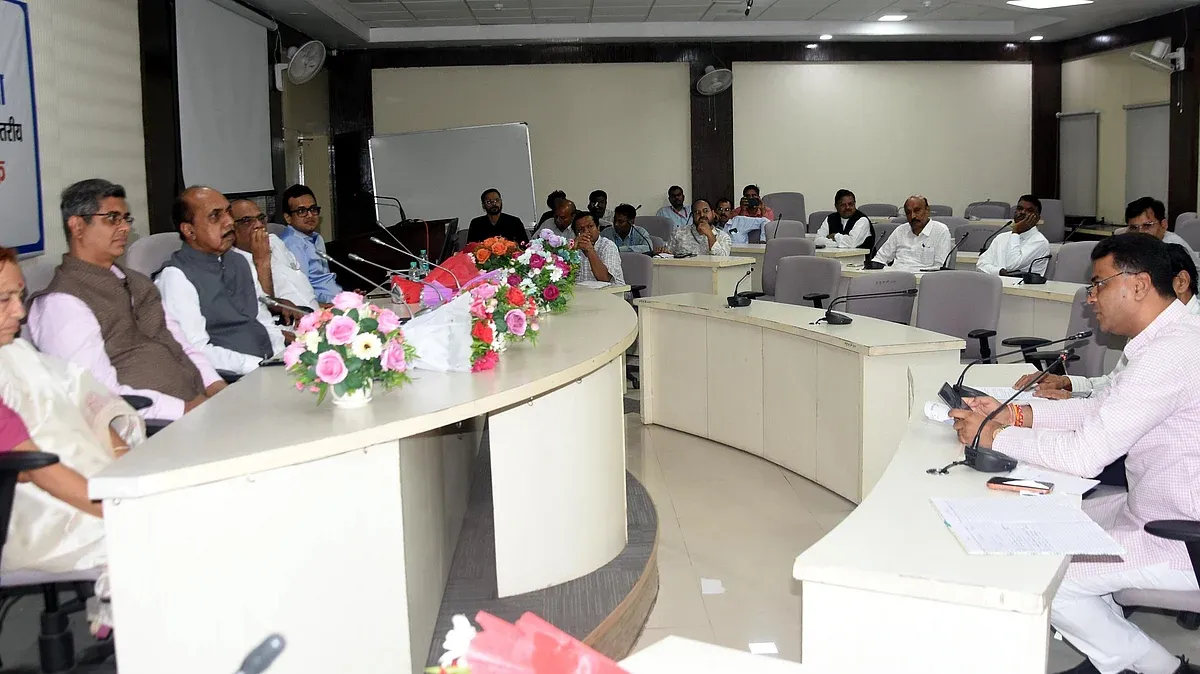
Several BJP-ruled states, including Madhya Pradesh, Rajasthan, Maharashtra, Uttarakhand, Gujarat, and Assam, are advancing efforts to draft and implement Uniform Civil Code (UCC) legislation. Committees led by retired judges are consulting diverse stakeholders, with tribal communities often excluded. Opposition parties and Muslim representatives have expressed concerns about cultural diversity and personal laws. Maharashtra's government is actively preparing a UCC draft, addressing issues like triple talaq and polygamy, aiming for legislative action in upcoming sessions.
First-hand measurement across 11 sources
We measured how 11 outlets covered this story. Coverage leans balanced overall (Left 33%, Centre 44%, Right 23%). Overall sentiment is neutral (52/100). Lens Score 39/100 — moderate-to-low public interest.
Outlets analysed (first-hand measurement by TBN's Bias Engine):
- news18— balanced framing, neutral sentiment
- freepressjournal— balanced framing, neutral sentiment
- indianexpress— balanced framing, neutral sentiment
- indiatoday— balanced framing, neutral sentiment
- english— balanced framing, neutral sentiment
- hindustantimes— balanced framing, neutral sentiment
- swarajyamag— balanced framing, neutral sentiment
- freepressjournal— balanced framing, neutral sentiment
AI Analysis
The article group reflects perspectives primarily from BJP-led state governments promoting UCC implementation, highlighting official committee activities and legislative plans. Opposition parties like Congress, BSP, SP, and AAP are noted for boycotting consultations and criticizing the initiative as divisive. Muslim representatives and some civil society voices express apprehension about impacts on personal laws and cultural diversity, presenting a range of political and community viewpoints.
Coverage exhibits a mixed tone, combining government optimism and proactive steps toward UCC legislation with opposition skepticism and community concerns. Reports include constructive stakeholder consultations alongside contentious debates over personal laws, reflecting both support for reform and caution about social implications. The overall sentiment balances progress narratives with acknowledgment of resistance and unresolved challenges.