Japan Revises Imperial Law to Maintain Male-Only Succession Amid Shrinking Royal Family
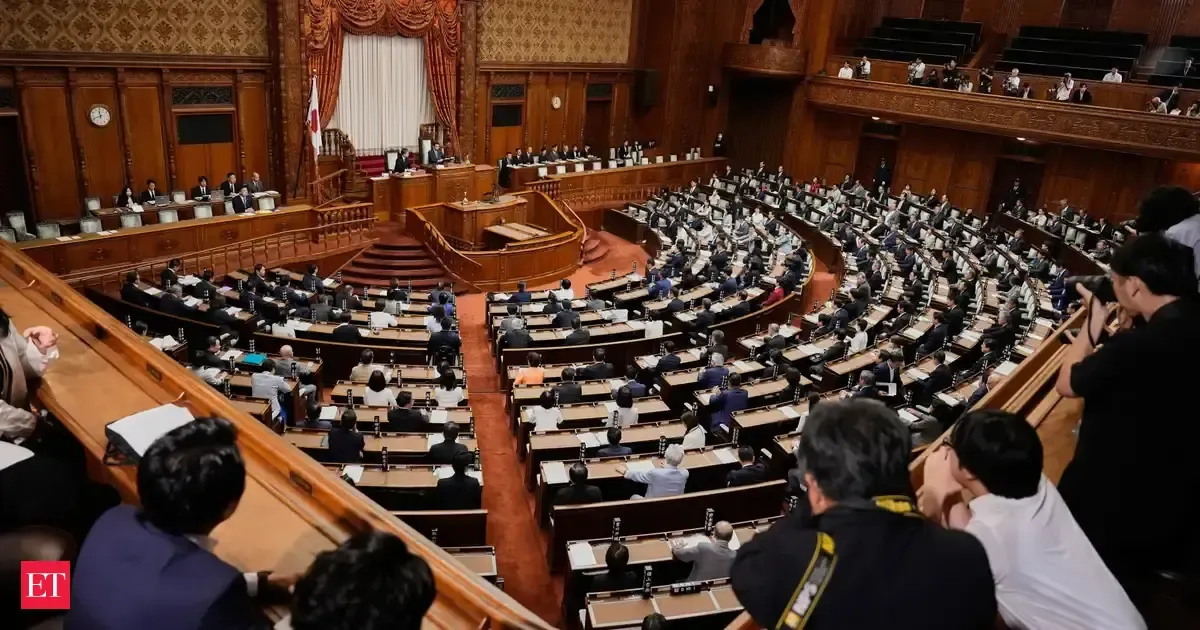
Japan's parliament revised the 19th-century Imperial House Law to reinforce male-only succession, allowing only paternal-lineage men to become emperor. The changes permit adoption of distant male relatives to ensure heirs and let princesses retain royal status after marrying commoners. Despite Emperor Naruhito's popular daughter, Princess Aiko, being ineligible due to her gender, the succession line favors male relatives, including the emperor's younger brother and nephew Prince Hisahito, amid concerns over the shrinking imperial family.
First-hand measurement across 2 sources
We measured how 2 outlets covered this story. Coverage leans balanced overall (Left 32%, Centre 66%, Right 2%). Overall sentiment is neutral (38/100). Lens Score 32/100 — low public interest.
Outlets analysed (first-hand measurement by TBN's Bias Engine):
- thehindu— balanced framing, neutral sentiment
- economictimes— left-leaning framing, neutral sentiment
AI Analysis
The articles present perspectives emphasizing traditionalist views supporting male-only succession, reflecting conservative political stances in Japan. They also acknowledge public interest in Princess Aiko's potential role, highlighting a societal debate. The coverage balances official government positions with popular sentiment without endorsing either side, maintaining neutrality on the succession controversy.
The tone across the articles is largely neutral with a cautious undertone, focusing on factual reporting of the law revision and its implications. While concerns about the imperial family's future are noted, the sentiment avoids emotional language, presenting both the government's rationale and public preferences objectively.
How 2 sources covered this story
Each source's own headline, political lean, and sentiment — so you can see framing differences at a glance.