Japan Revises Imperial Succession Law to Maintain Male-Only Heirs
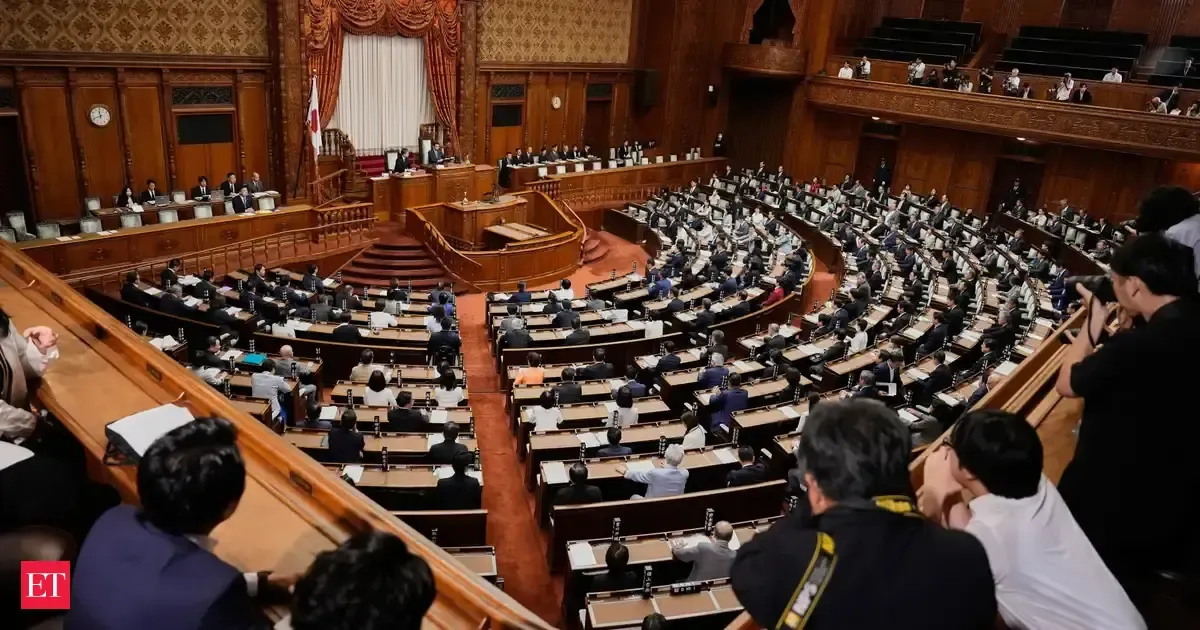
Japan's parliament revised the 19th-century Imperial House Law to maintain male-only succession, allowing only paternal-lineage men to become emperor. The changes permit adoption of distant male relatives to father future heirs and let princesses retain royal status after marrying commoners, though their children remain ineligible for the throne. This move aims to preserve the shrinking imperial family amid public support for female succession, notably for Emperor Naruhito's daughter, Princess Aiko, who remains excluded under the current rules.
First-hand measurement across 3 sources
We measured how 3 outlets covered this story. Coverage leans balanced overall (Left 42%, Centre 54%, Right 4%). Overall sentiment is neutral (38/100). Lens Score 32/100 — low public interest.
Outlets analysed (first-hand measurement by TBN's Bias Engine):
- firstpost— left-leaning framing, neutral sentiment
- thehindu— balanced framing, neutral sentiment
- economictimes— left-leaning framing, neutral sentiment
AI Analysis
The article group presents perspectives emphasizing traditional and conservative views supporting male-only succession, citing government officials and conservatives who stress the importance of paternal lineage for imperial legitimacy. It also reflects public opinion favoring female succession, highlighting Princess Aiko's popularity. The coverage balances official policy rationale with societal debates without endorsing either side.
The overall tone is neutral to cautious, focusing on factual reporting of the law's revision and its implications. While some sources express concern about the imperial family's future, the sentiment remains measured, avoiding sensationalism. Public support for female succession is noted positively, but the legal constraints and conservative positions are presented without emotive language.