Challenges and Implications of India's Anti-Defection Law and Political Realignments
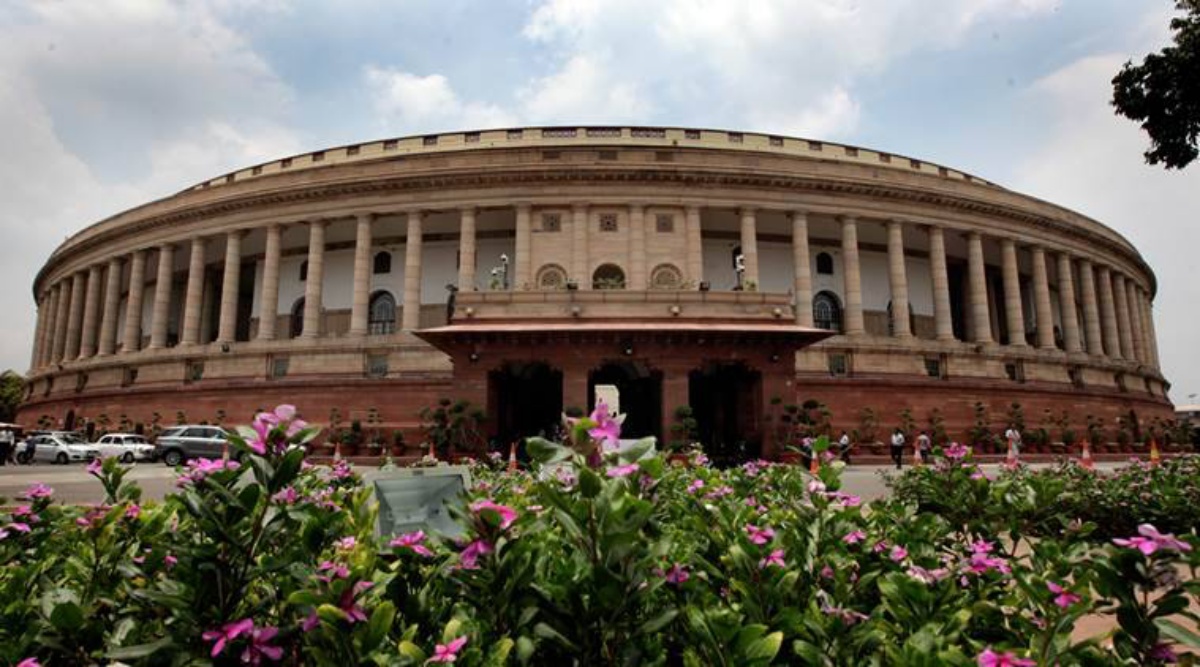
India's anti-defection law, enacted to prevent political instability from frequent party switching, faces criticism for failing to curb opportunism among legislators. The law's enforcement, managed by parliamentary presiding officers, has not fully addressed defections driven by political inducements or dissatisfaction with party leadership. Recent splits in parties like the Trinamool Congress and Shiv Sena-UBT highlight concerns about the erosion of democratic mandates, as elected representatives change affiliations post-election, raising questions about voter trust and political accountability.
First-hand measurement across 2 sources
We measured how 2 outlets covered this story. Coverage leans balanced overall (Left 33%, Centre 47%, Right 20%). Overall sentiment is negative (38/100). Lens Score 37/100.
Outlets measured: thehindu, indianexpress. See how each one headlined and framed the same story in the source comparison below.
AI Analysis
All 1 outlets scored close to centre on political lean. The real divergence here is in emphasis, not lean — compare the headlines below to see how each outlet chose to frame the same facts.
Sentiment was consistent across outlets (28–48/100), indicating broadly factual reporting rather than editorialising.
Coverage timeline
indianexpress broke this story on 20 Jul, 12:21 pm. Other outlets followed.