US Presidents Sign 14-Point Agreements at Versailles a Century Apart
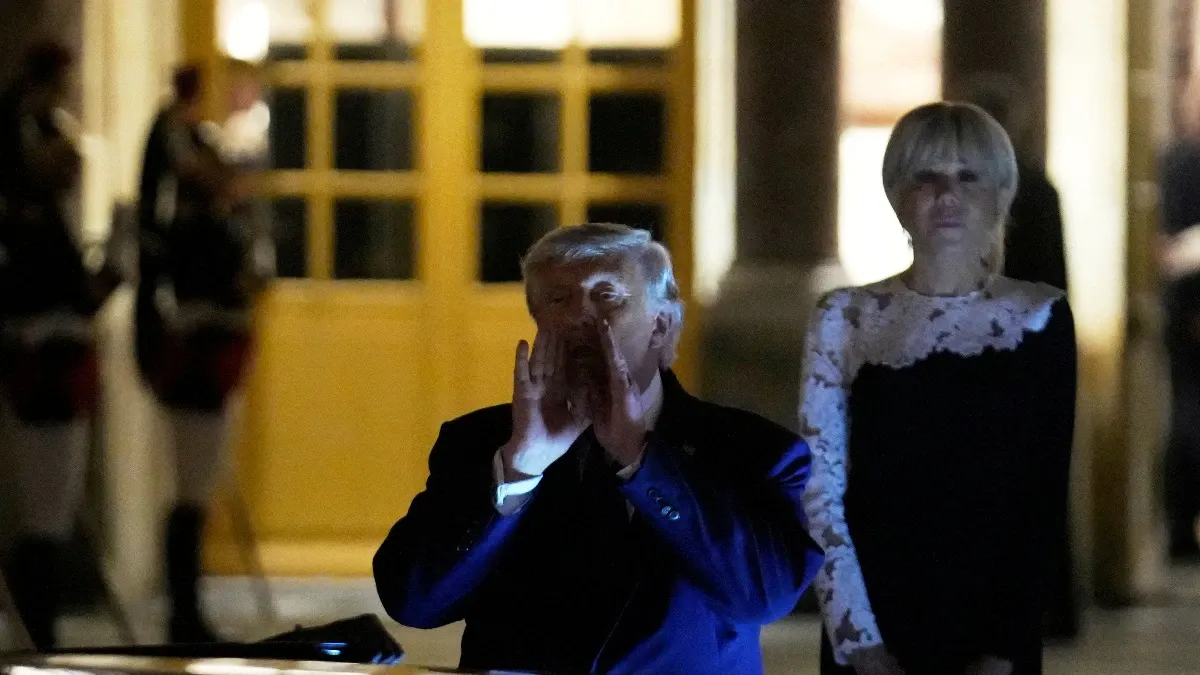
On June 28, 1919, the Treaty of Versailles formally ended World War I, imposing strict terms on Germany including territorial losses, military reductions, and reparations. The treaty was shaped by the Big Four, including US President Woodrow Wilson, whose Fourteen Points outlined a vision for peace. Over a century later, US President Donald Trump signed a 14-point agreement with Iran at the same Versailles palace, symbolically linking the historic venue to ongoing diplomatic efforts, though some view the US as making significant concessions in the recent pact.
First-hand measurement across 2 sources
We measured how 2 outlets covered this story. Coverage leans balanced overall (Left 30%, Centre 68%, Right 2%). Overall sentiment is neutral (45/100). Lens Score 21/100 — low public interest.
Outlets analysed (first-hand measurement by TBN's Bias Engine):
- businessstandard— balanced framing, neutral sentiment
- indiatoday— left-leaning framing, negative sentiment
AI Analysis
The articles present historical and contemporary diplomatic events without overt political bias, highlighting both Wilson's and Trump's roles in peace agreements at Versailles. While one source suggests Trump made larger concessions to Iran, the overall framing remains factual, focusing on the symbolism and historical context rather than partisan interpretations.
The tone across the articles is neutral to mildly analytical, emphasizing historical significance and diplomatic symbolism. Coverage neither celebrates nor criticizes the agreements explicitly but notes differing perspectives on the nature of concessions in the recent US-Iran deal, resulting in a balanced and informative sentiment.
How 2 sources covered this story
Each source's own headline, political lean, and sentiment — so you can see framing differences at a glance.