NCB Reports Highlight Myanmar's Opium Rise and Shifting Drug Trafficking in India
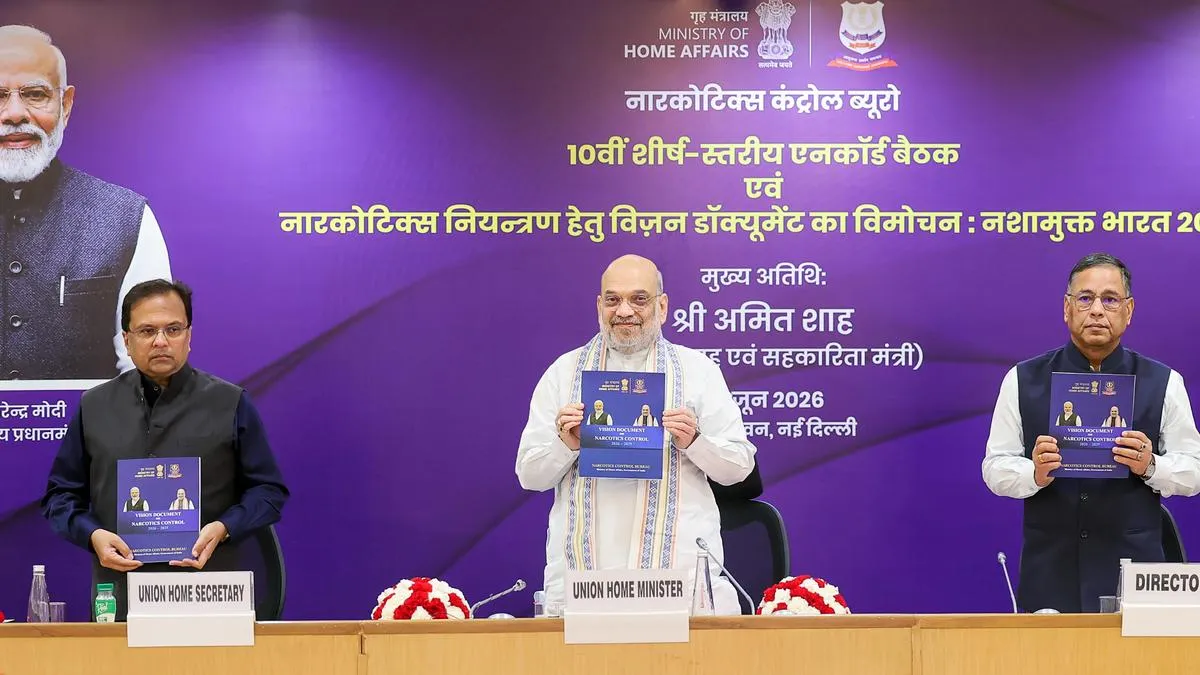
The Narcotics Control Bureau's 2025-2026 reports highlight Myanmar's rise as a key global opium source following Afghanistan's Taliban-imposed ban, impacting India's northeastern borders, especially Manipur. Drug trafficking routes via Mizoram and Punjab show shifts, including increased drone smuggling along the India-Pakistan border. Punjab accounted for 58% of heroin seizures in 2025, with a growing challenge from pharmaceutical drug misuse. The reports also warn of synthetic opioid threats and evolving trafficking methods exploiting porous borders and new technologies.
First-hand measurement across 3 sources
We measured how 3 outlets covered this story. Coverage leans balanced overall (Left 5%, Centre 91%, Right 4%). Overall sentiment is neutral (38/100). Lens Score 33/100 — low public interest.
Outlets analysed (first-hand measurement by TBN's Bias Engine):
- thetribune— balanced framing, neutral sentiment
- thehindu— balanced framing, negative sentiment
- indianexpress— balanced framing, neutral sentiment
AI Analysis
The article group presents perspectives primarily from official Indian government sources, notably the Narcotics Control Bureau and Home Ministry, focusing on drug trafficking challenges and enforcement responses. The coverage emphasizes security concerns and regional impacts without partisan framing, reflecting a law enforcement viewpoint. There is limited representation of alternative perspectives, such as local communities or traffickers, maintaining a predominantly institutional narrative.
The overall tone across the articles is cautionary and serious, emphasizing emerging threats and challenges in drug trafficking and enforcement. While highlighting concerning trends like synthetic opioids and drone smuggling, the reports also note enforcement successes such as record seizures. The sentiment is mixed, balancing warnings about risks with acknowledgment of ongoing government efforts to address narcotics issues.