NCB Reports Myanmar as Leading Opium Source, Highlights Drug Trafficking Risks in Northeast India
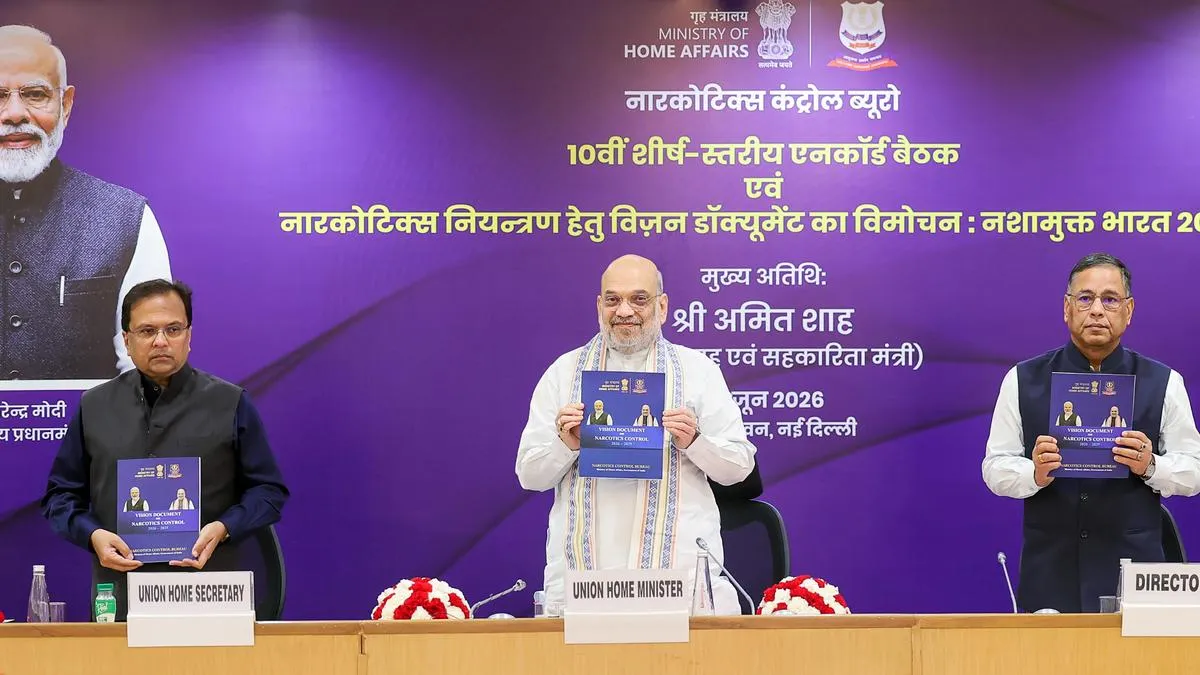
The Narcotics Control Bureau's 2025-26 reports highlight Myanmar's rise as the primary source of illicit opium, surpassing Afghanistan following the Taliban's 2022 poppy ban. This shift has intensified drug trafficking through India's northeastern borders, especially via Manipur and Mizoram, with porous borders facilitating narcotics and arms smuggling linked to militant financing. The reports also note a surge in synthetic opioids like nitazenes and increased use of encrypted messaging platforms for trafficking, reflecting evolving drug threats in India.
First-hand measurement across 3 sources
We measured how 3 outlets covered this story. Coverage leans balanced overall (Left 7%, Centre 88%, Right 5%). Overall sentiment is neutral (37/100). Lens Score 33/100 — low public interest.
Outlets analysed (first-hand measurement by TBN's Bias Engine):
- thetribune— balanced framing, neutral sentiment
- thehindu— balanced framing, negative sentiment
- indianexpress— balanced framing, neutral sentiment
AI Analysis
The articles present official government perspectives from the Narcotics Control Bureau and Home Ministry, focusing on security and law enforcement challenges without partisan framing. They emphasize cross-border drug trafficking and its links to militancy, reflecting a national security viewpoint. No political parties or ideological positions are promoted, maintaining a factual and administrative tone.
The coverage adopts a cautionary and serious tone, emphasizing emerging drug threats and security concerns. While highlighting challenges such as synthetic opioid potency and trafficking methods, the reports maintain a neutral, informative stance without sensationalism or alarmism, focusing on factual reporting of narcotics trends and enforcement responses.
How 3 sources covered this story
Each source's own headline, political lean, and sentiment — so you can see framing differences at a glance.