US-Iran Conflict Prolongs Amid Military Challenges and Diplomatic Setbacks
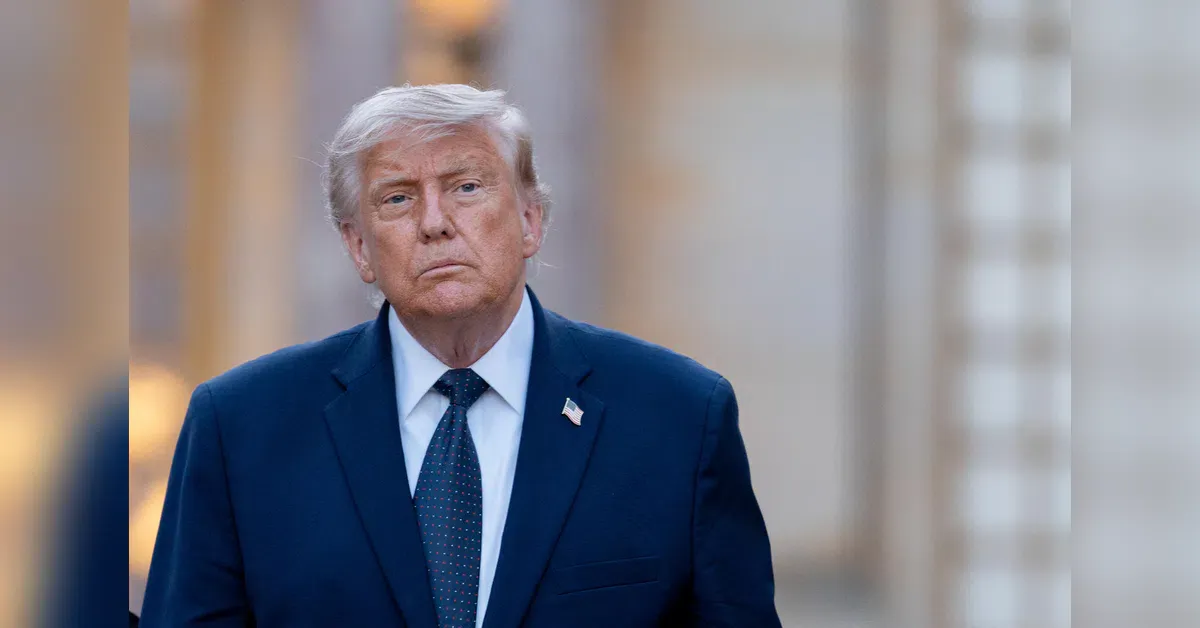
The US has faced ongoing challenges in its conflict with Iran, marked by a prolonged military campaign initially expected to be brief. Efforts such as imposing tolls on the Strait of Hormuz were reversed amid regional opposition. A memorandum of understanding aimed at halting hostilities collapsed, leading to renewed tensions and military actions. Analysts highlight the limitations of US coercive power in the Middle East, noting that despite significant military efforts, lasting political stability remains elusive and Iran's regime has endured without major concessions.
First-hand measurement across 11 sources
We measured how 11 outlets covered this story. Coverage leans balanced overall (Left 30%, Centre 65%, Right 5%). Overall sentiment is negative (32/100). Lens Score 21/100 — low public interest.
Outlets analysed (first-hand measurement by TBN's Bias Engine):
- indianexpress— left-leaning framing, negative sentiment
- news18— balanced framing, neutral sentiment
- businessstandard— balanced framing, negative sentiment
- theprint— balanced framing, neutral sentiment
- indianexpress— balanced framing, neutral sentiment
- thehindu— balanced framing, neutral sentiment
- hindustantimes— balanced framing, neutral sentiment
- firstpost— balanced framing, neutral sentiment
AI Analysis
The articles present a range of perspectives including critical views of US military strategy and its effectiveness, as well as recognition of Iran's resilience. They reflect skepticism about US policy outcomes without overt partisan framing, incorporating viewpoints from analysts and officials. The coverage balances US government actions with regional and international reactions, highlighting both strategic miscalculations and geopolitical complexities.
The overall tone is cautious and analytical, emphasizing setbacks and challenges faced by the US in the Iran conflict. While acknowledging US military efforts, the sentiment underscores difficulties and failures rather than successes, resulting in a predominantly critical but measured coverage. There is limited positive framing, focusing instead on the complexity and unresolved nature of the conflict.