Skip to content
Get the Balanced News app for a better experience!
The Balanced News Logo
Analytics
The Balanced News Logo

Stay Balanced, Stay Informed

Menu
  • Browse News
  • Underreported Stories
  • Curated Feeds
  • Insights
  • Analytics
  • Our Writers
  • About Us
  • Download App
Learn
  • How It Works
  • Bias Detection
  • Lens Score
  • Source Bias Checker
  • Accountability
  • Custom Feeds
Newsroom
  • Writers & Analysts
  • About TBN
  • Editorial Standards
  • Corrections Policy
  • Our Partners
  • Insights
Socials
  • Youtube
  • Instagram
  • X
  • Facebook
News Categories
  • Trending
  • Politics
  • Sports
  • Business
  • Tech
  • Entertainment
  • Health
  • Science
  • Crime
  • Lifestyle
  • National
  • International
  • Good News
  • Crypto

Get Our App

Available for iOS and Android


LensFeedsInsightsAnalyticsTrendingGood NewsSportsPoliticsBusinessCrimeTechEntertainmentHealthNationalInternational

© 2026 The Balanced News. All rights reserved.

About UsEditorial StandardsCorrectionsHelp & SupportPrivacy PolicyTerms & Conditions
China's Youth Renew Interest in Mao Amid Economic and Social Pressures
Categories

Categories

Related Coverage

Select a news story to see related coverage from other media outlets.

Related Coverage

Select a news story to see related coverage from other media outlets.

  1. Home
  2. /
  3. Politics

China's Youth Renew Interest in Mao Amid Economic and Social Pressures

Analysed 9 Sept 2026·3 sources analysed·China·Politics
China's Youth Renew Interest in Mao Amid Economic and Social PressuresPreviousNext

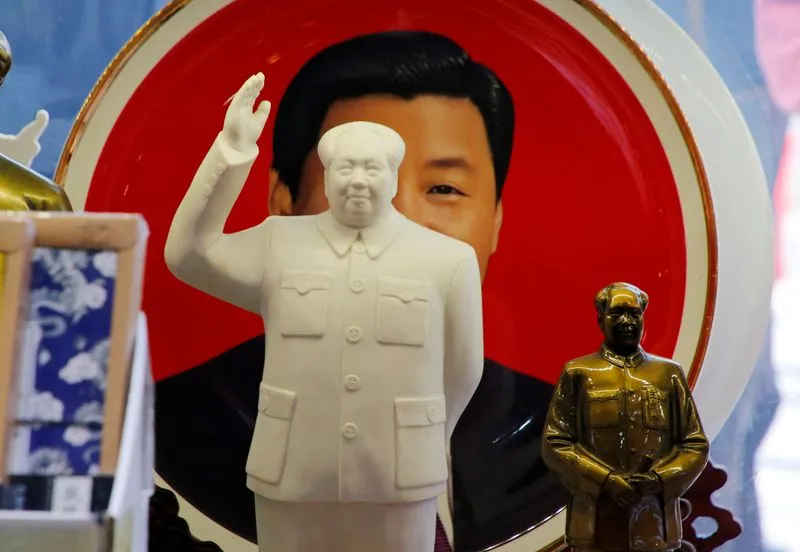
Fifty years after Mao Zedong's death, his writings are gaining renewed interest among China's younger generation amid economic slowdown, workplace stress, and social inequality. Young people, including students, are turning to Mao's ideas for guidance and resilience as they face intense competition in education and employment. This trend reflects broader societal challenges in China, with Mao's legacy remaining influential despite past criticisms of his political campaigns. The resurgence is evident in increased library loans and sales of Mao-themed merchandise.

Sentiment
59%
TBN's observations

First-hand measurement across 3 sources

We measured how 3 outlets covered this story. No outlet gave this story a measurable political slant — there is no left–right reading to report. Overall sentiment is neutral (59/100). Lens Score 40/100.

Outlets measured: thetribune, economictimes, indiatoday. See how each one headlined and framed the same story in the source comparison below.

AI analysis of 3 sources · Published under editorial oversight by The Balanced News
Analysed 9 Sept 2026· How this analysis is produced· Editorial standards· Corrections

AI Analysis

Sentiment — Neutral (59/100)

Sentiment was consistent across outlets (56–62/100), indicating broadly factual reporting rather than editorialising.

Coverage timeline

indiatoday broke this story on 9 Sept, 01:13 pm. Other outlets followed.

9 Sept, 01:13 pm3 sources · 65 min9 Sept, 02:18 pm
AI analysis by the TBN Bias Engine · beat methodology byPrajakta Kale· Political Analyst· editorial standards byOjas Kale
← Previous
Karkala MLA Urges Official Recognition of Tulu Language and Festival Funding
Next →
UN Rights Chief Commends India's Dialogue Approach to Student Protests, Flags Concerns in Pakistan and China
  1. 1
    indiatoday9 Sept, 01:13 pm
    Young Chinese turn to Mao as jobs stress and inequality deepen
  2. 2
    economictimes9 Sept, 01:50 pm
    China's Gen Z is going back to Mao: How economic slowdown workplace stress are making youth look to the late leader for answers
  3. 3
    thetribune9 Sept, 02:18 pm
    Chinas Gen Z turning to Mao amid modern-day pressures, economic slowdown: Report - The Tribune

Who's involved

Institutions and figures named across source coverage.

Government
People's Republic of China
Political
Communist Party of China

Story context

Category
Politics
Location
China
Sources analysed
3
Last analysed
9 Sept 2026
Key entities
Generation ZMao ZedongChinaSouth China Morning PostEconomy of ChinaTsinghua UniversityCultural RevolutionDeng XiaopingChinese economic reformBeijingRecessionEconomic inequality