Skip to content
Get the Balanced News app for a better experience!
The Balanced News Logo
Analytics
The Balanced News Logo

Stay Balanced, Stay Informed

Menu
  • Browse News
  • Underreported Stories
  • Curated Feeds
  • Insights
  • Analytics
  • Our Writers
  • About Us
  • Download App
Learn
  • How It Works
  • Bias Detection
  • Lens Score
  • Source Bias Checker
  • Accountability
  • Custom Feeds
Newsroom
  • Writers & Analysts
  • About TBN
  • Editorial Standards
  • Corrections Policy
  • Our Partners
  • Insights
Socials
  • Youtube
  • Instagram
  • X
  • Facebook
News Categories
  • Trending
  • Politics
  • Sports
  • Business
  • Tech
  • Entertainment
  • Health
  • Science
  • Crime
  • Lifestyle
  • National
  • International
  • Good News
  • Crypto

Get Our App

Available for iOS and Android


LensFeedsInsightsAnalyticsTrendingGood NewsSportsPoliticsBusinessCrimeTechEntertainmentHealthNationalInternational

© 2026 The Balanced News. All rights reserved.

About UsEditorial StandardsCorrectionsHelp & SupportPrivacy PolicyTerms & Conditions
Cold War Nuclear Fears Shaped Arms Control; Current Leaders Face Risk Challenges
Categories

Categories

Related Coverage

Select a news story to see related coverage from other media outlets.

Related Coverage

Select a news story to see related coverage from other media outlets.

  1. Home
  2. /
  3. Politics

Cold War Nuclear Fears Shaped Arms Control; Current Leaders Face Risk Challenges

Analysed 9 Sept 2026·2 sources analysed·United States·Politics
Cold War Nuclear Fears Shaped Arms Control; Current Leaders Face Risk ChallengesPreviousNext

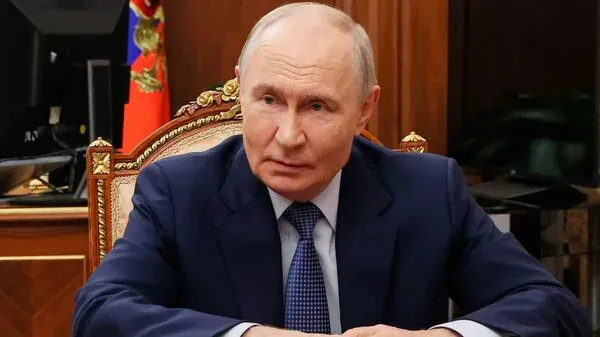
During the Cold War, fear of nuclear annihilation prompted American and Soviet leaders to seek arms control, notably at the 1986 Reykjavik summit between Ronald Reagan and Mikhail Gorbachev. Though initially seen as unsuccessful, the meeting laid groundwork for future treaties and reflected mutual desires to eliminate nuclear weapons. The doctrine of Mutually Assured Destruction (MAD) and disagreements over defense initiatives prevented immediate progress. Today, concerns arise that current leaders may not share the same level of caution regarding nuclear risks.

Sentiment
38%
TBN's observations

First-hand measurement across 2 sources

We measured how 2 outlets covered this story. No outlet gave this story a measurable political slant — there is no left–right reading to report. Overall sentiment is negative (38/100). Lens Score 51/100.

Outlets measured: mint, hindustantimes. See how each one headlined and framed the same story in the source comparison below.

AI analysis of 2 sources · Published under editorial oversight by The Balanced News
Analysed 9 Sept 2026· How this analysis is produced· Editorial standards· Corrections

AI Analysis

Sentiment — Negative (38/100)

Sentiment was consistent across outlets (38–38/100), indicating broadly factual reporting rather than editorialising.

Coverage timeline

hindustantimes broke this story on 9 Sept, 01:48 pm. Other outlets followed.

9 Sept, 01:48 pm2 sources · 2 min9 Sept, 01:49 pm
  1. 1
AI analysis by the TBN Bias Engine · beat methodology byPrajakta Kale· Political Analyst· editorial standards byOjas Kale
← Previous
Kerala Probe Finds No Bribe Demand in Autorickshaw Driver's Death, Plans Digitized Inspections
Next →
GSI Panel Calls for Review of Bengaluru Tunnel Shaft Near Lalbagh Geological Monument
hindustantimes9 Sept, 01:48 pm
World leaders are losing their terror of nuclear war
  • 2
    mint9 Sept, 01:49 pm
    World leaders are losing their terror of nuclear war Mint
  • Who's involved

    Institutions and figures named across source coverage.

    Government
    Government of the People's Republic of ChinaGovernment of the Russian FederationGovernment of the United States of America
    Political
    United RussiaRepublican PartyCommunist Party of ChinaCommunist Party of the Soviet Union

    Story context

    Category
    Politics
    Location
    United States
    Sources analysed
    2
    Last analysed
    9 Sept 2026
    Key entities
    Strategic Defense InitiativeNuclear weaponMikhail GorbachevNuclear warfareRonald ReaganSoviet UnionUnited StatesCold WarReykjavíkRussiaGeorge ShultzNuclear holocaust