1 hour agoPolitics
46LENS
8 SourcesChhattisgarh, India
 thebalanced.news
Government Proposes CAPF Bill Formalizing IPS Deputation Amid Retired Officers' Opposition
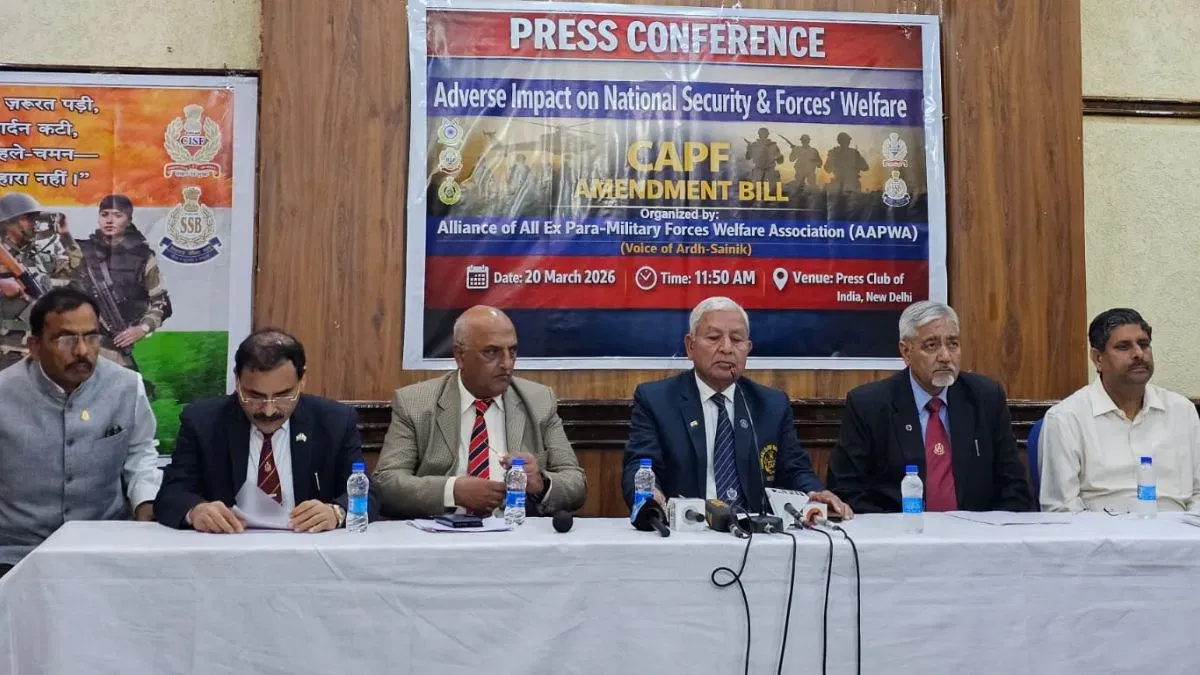
The Central Armed Police Forces (General Administration) Bill, 2026, approved by the Union Cabinet and set for introduction in Parliament, proposes formalizing Indian Police Service (IPS) deputation at senior CAPF ranks, including 50 Inspector General and 67 Additional Director General posts. Retired CAPF officers oppose the bill, arguing it undermines cadre officers' career progression and bypasses a 2025 Supreme Court ruling to reduce IPS presence. The government justifies the bill as necessary for Centre-State coordination and operational clarity, while veterans demand wider consultation and reforms in promotions and pensions.
Political Bias
24%67%9%
Sentiment
45%
21 stories available
View AI Analysis
Bias Analysis: The article group presents perspectives from both the government and retired CAPF officers. Government sources emphasize the bill's role in ensuring coordination and operational effectiveness, framing it as a legislative necessity. Retired officers and opposition leaders highlight concerns about career stagnation and disregard for a Supreme Court ruling, reflecting institutional and political dissent. Coverage includes official statements and veteran critiques, maintaining a balanced representation of viewpoints.
Sentiment: The overall tone across the articles is mixed, combining the government's rationale for the bill with critical responses from retired CAPF personnel. While the government frames the bill as a structured reform, veterans express frustration and concern over its implications. The sentiment reflects tension between administrative objectives and personnel grievances without overtly positive or negative language, maintaining a neutral yet critical discourse.
Lens Score: 46/100 — Story is receiving appropriate media attention. Public interest: 0/100. Coverage gap: 100%.
Related Coverage
Select a news story to see related coverage from other media outlets.