Legal Issues Surrounding Attacks and Navigation Rights in the Strait of Hormuz
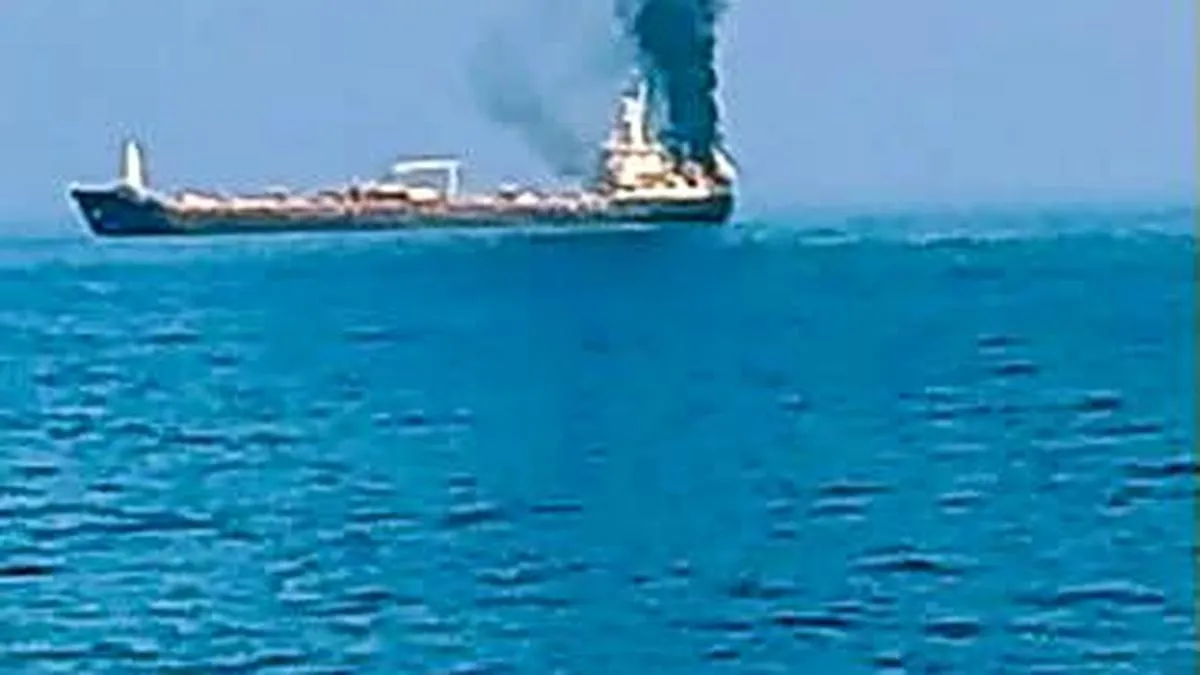
Recent U.S. missile strikes targeted three merchant tankers carrying Indian crew in the Strait of Hormuz, resulting in three fatalities aboard the Settebello. Despite a June agreement between the U.S. and Iran to reopen the Strait and ease tensions, legal questions persist regarding the lawfulness of attacks on neutral shipping and Iran's authority to charge navigation fees. The situation involves complex interplay between international humanitarian law and the United Nations Convention on the Law of the Sea governing transit rights and maritime conduct.
First-hand measurement across 2 sources
We measured how 2 outlets covered this story. Coverage leans balanced overall (Left 20%, Centre 75%, Right 5%). Overall sentiment is neutral (42/100). Lens Score 23/100 — low public interest.
Outlets analysed (first-hand measurement by TBN's Bias Engine):
- indianexpress— balanced framing, neutral sentiment
- thehindu— balanced framing, neutral sentiment
AI Analysis
The articles present perspectives focusing on international legal frameworks without endorsing any party. They highlight U.S.-Iran tensions and their impact on maritime security, reflecting concerns from affected nations like India. The coverage balances geopolitical developments with legal analysis, representing viewpoints of governments, legal experts, and maritime stakeholders without partisan framing.
The tone across the articles is measured and analytical, emphasizing unresolved legal and security challenges rather than emotional or sensational reactions. While acknowledging casualties and geopolitical friction, the coverage maintains a neutral stance, focusing on factual explanations of laws and agreements rather than expressing optimism or criticism.
How 2 sources covered this story
Each source's own headline, political lean, and sentiment — so you can see framing differences at a glance.