Central Tibetan Administration and Experts Criticize China’s Ethnic Unity Law at UNHRC
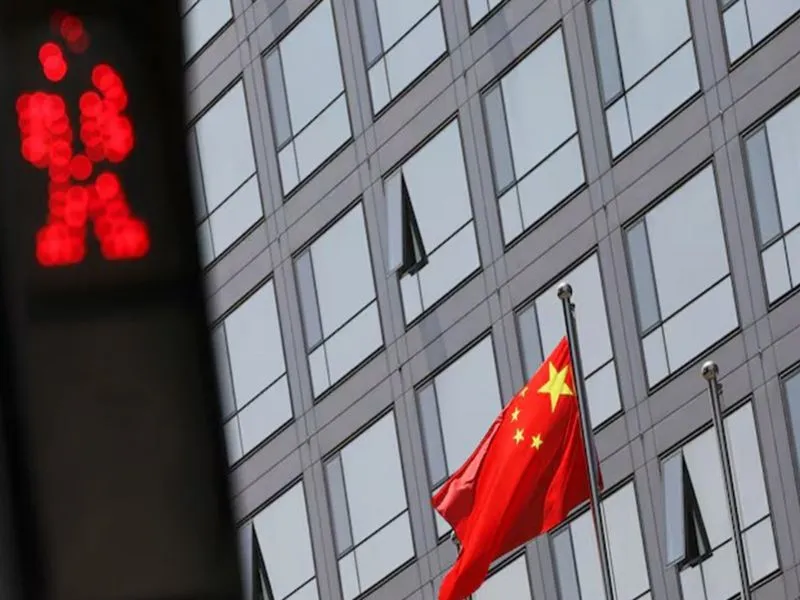
At the 62nd UN Human Rights Council session, legal experts and the Central Tibetan Administration (CTA) criticized China’s new "Ethnic Unity Law," warning it threatens the cultural identity and rights of Tibetans, Uyghurs, and other minorities. The law, effective July 2026, is seen as accelerating assimilation policies and expanding transnational repression. The CTA urged international bodies to monitor China’s compliance and called for accountability measures, while highlighting recent global condemnations and the need for stronger oversight.
First-hand measurement across 4 sources
We measured how 4 outlets covered this story. Coverage leans left-leaning overall (Left 70%, Centre 27%, Right 3%). Overall sentiment is negative (28/100). Lens Score 46/100 — moderate-to-low public interest.
Outlets analysed (first-hand measurement by TBN's Bias Engine):
- thetribune— left-leaning framing, negative sentiment
- news18— left-leaning framing, negative sentiment
- thetribune— left-leaning framing, negative sentiment
- thetribune— left-leaning framing, negative sentiment
AI Analysis
The articles primarily present the perspective of the Central Tibetan Administration and allied human rights groups, emphasizing concerns about China’s policies toward ethnic minorities. They include references to international criticism and calls for accountability, reflecting a focus on human rights advocacy. The Chinese government’s viewpoint is not represented, indicating a one-sided framing centered on opposition to the law.
The overall tone across the articles is critical and concerned, highlighting potential human rights violations and cultural assimilation risks posed by China’s legislation. The sentiment is largely negative toward the law, emphasizing warnings and urgent appeals, without presenting mitigating or supportive views from China or other stakeholders.
How 4 sources covered this story
Each source's own headline, political lean, and sentiment — so you can see framing differences at a glance.