UN Climate Chief Links India's Extreme Heat to Climate Change and Fossil Fuel Use
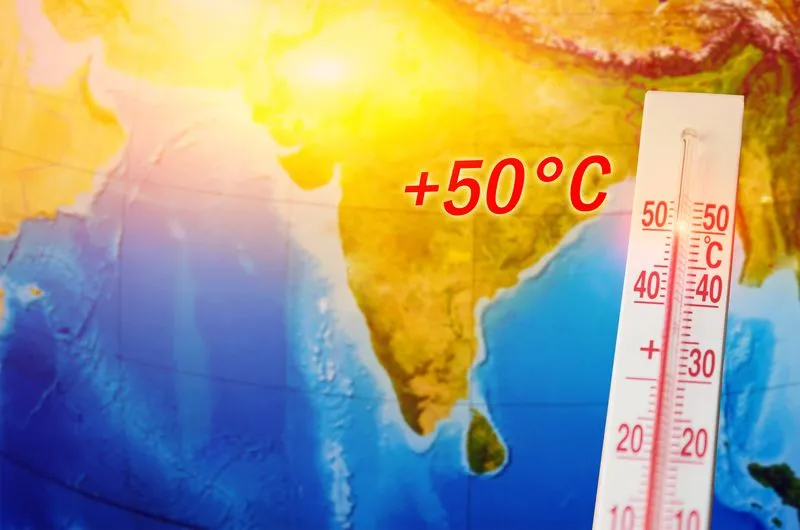
UN climate chief Simon Stiell attributed the ongoing extreme heat across large parts of India primarily to worsening climate change driven by extensive fossil fuel burning. The India Meteorological Department forecasts heatwave conditions to persist in central and northwest India for several days. The heatwave has caused record peak power demands, reaching 270.8 GW on May 21, with renewable energy helping meet daytime needs. Stiell emphasized the importance of clean energy and energy efficiency to support vulnerable populations amid rising fossil fuel costs linked to global conflicts.
AI Analysis
The articles present a largely consistent perspective emphasizing climate change as the main cause of India's extreme heat, reflecting views from the UN climate chief and official meteorological data. The coverage focuses on environmental and energy policy issues without partisan framing, representing international and governmental viewpoints. There is no evident political bias, as the sources report official statements and factual data without editorializing or political commentary.
The overall tone across the articles is neutral to cautiously concerned, highlighting the serious human and economic impacts of the heatwave while noting positive aspects such as the role of renewable energy. The coverage balances the challenges posed by extreme heat and fossil fuel price crises with the potential benefits of clean energy measures, resulting in a measured and informative sentiment.