Amit Shah Announces Smart Border Plan and Quadrangular Security Grid to Enhance Border Security
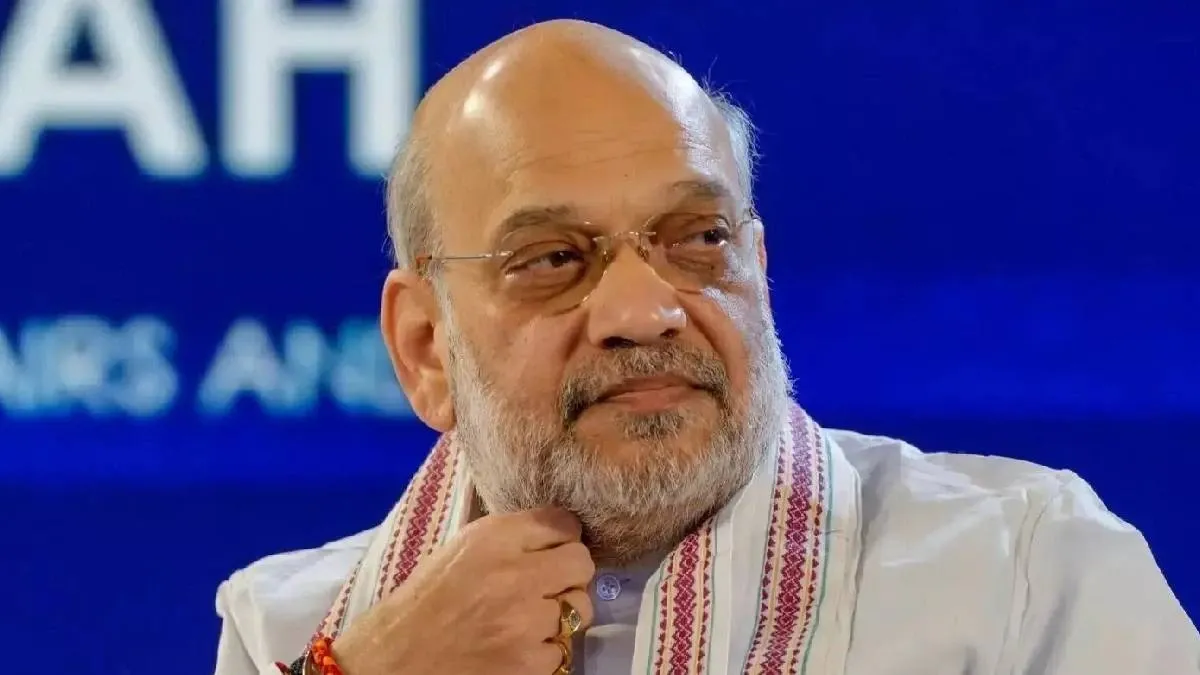
Union Home Minister Amit Shah outlined a comprehensive plan to enhance India's border security through a technology-driven 'Smart Border' vision and a quadrangular security grid integrating border forces, state and district administrations, central agencies, and local communities. Addressing the Land Border Districts' Superintendents of Police Conference 2026, he emphasized curbing illegal infiltration, which he linked to abnormal demographic changes in border areas. The government has launched a Demography Mission to study these changes and is investing in infrastructure, including fencing the India-Myanmar border. The approach aims to shift from reactive to proactive security, ensuring secure, prosperous border regions and vigilant societies, with plans to extend similar frameworks to coastal borders.
First-hand measurement across 13 sources
We measured how 13 outlets covered this story. Coverage leans right-leaning overall (Left 11%, Centre 23%, Right 66%). Overall sentiment is positive (69/100). Lens Score 36/100.
Outlets measured: easternmirror, swarajyamag, scrollin, indianexpress, republicworld, hindustantimes, businessstandard, economictimes, and 5 more. See how each one headlined and framed the same story in the source comparison below.
AI Analysis
All 13 outlets scored close to centre on political lean. The real divergence here is in emphasis, not lean — compare the headlines below to see how each outlet chose to frame the same facts.
Sentiment was consistent across outlets (55–75/100), indicating broadly factual reporting rather than editorialising.
Coverage timeline
indiatoday broke this story on 8 Jul, 12:00 pm. Other outlets followed.