3 hours agoPolitics
42LENS
4 SourcesTehran, Iran
 thebalanced.news
Seafarers Stranded Near Strait of Hormuz Amid Regional Conflict and Blockade
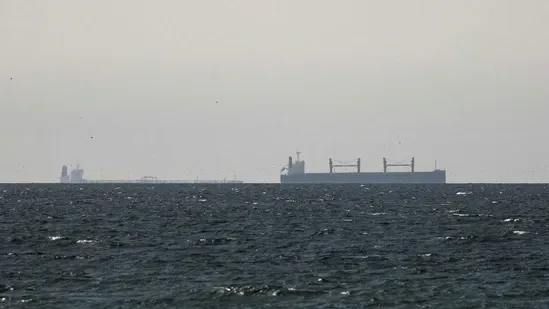
The ongoing conflict in West Asia has led to a blockade of the Strait of Hormuz, stranding around 20,000 seafarers on over 3,200 vessels, including Indian crew members near Qatar and Iran. Supplies of food, water, and fuel are running low, forcing rationing and improvisation such as boiling water. Families of stranded sailors have appealed to authorities for rescue amid growing concerns over safety and communication disruptions. The blockade has also caused global oil price surges and emergency responses worldwide.
Political Bias
7%91%2%
Sentiment
33%
21 stories available
View AI Analysis
Bias Analysis: The articles present perspectives primarily from affected seafarers and their families, focusing on humanitarian concerns without attributing blame. They mention geopolitical actions by the US, Israel, and Iran factually but emphasize the human impact rather than political analysis. The coverage includes appeals to government authorities for rescue, reflecting a neutral stance centered on the crisis's consequences rather than political positioning.
Sentiment: The overall tone is somber and concerned, highlighting the hardships faced by stranded seafarers and their families. While the articles convey distress and uncertainty, especially regarding supplies and safety, they avoid sensationalism. The sentiment is predominantly negative due to the crisis's impact but maintains a factual and empathetic approach without overt emotional exaggeration.
Lens Score: 42/100 — Story is receiving appropriate media attention. Public interest: 0/100. Coverage gap: 100%.
Accountability Flags: public safety issue.
Related Coverage
Select a news story to see related coverage from other media outlets.