Skip to content
Get the Balanced News app for a better experience!
The Balanced News Logo
Analytics
The Balanced News Logo

Stay Balanced, Stay Informed

Menu
  • Browse News
  • Underreported Stories
  • Curated Feeds
  • Insights
  • Analytics
  • Our Writers
  • About Us
  • Download App
Learn
  • How It Works
  • Bias Detection
  • Lens Score
  • Source Bias Checker
  • Accountability
  • Custom Feeds
Newsroom
  • Writers & Analysts
  • About TBN
  • Editorial Standards
  • Corrections Policy
  • Our Partners
  • Insights
Socials
  • Youtube
  • Instagram
  • X
  • Facebook
News Categories
  • Trending
  • Politics
  • Sports
  • Business
  • Tech
  • Entertainment
  • Health
  • Science
  • Crime
  • Lifestyle
  • National
  • International
  • Good News
  • Crypto

Get Our App

Available for iOS and Android


LensFeedsInsightsAnalyticsTrendingGood NewsSportsPoliticsBusinessCrimeTechEntertainmentHealthNationalInternational

© 2026 The Balanced News. All rights reserved.

About UsEditorial StandardsCorrectionsHelp & SupportPrivacy PolicyTerms & Conditions
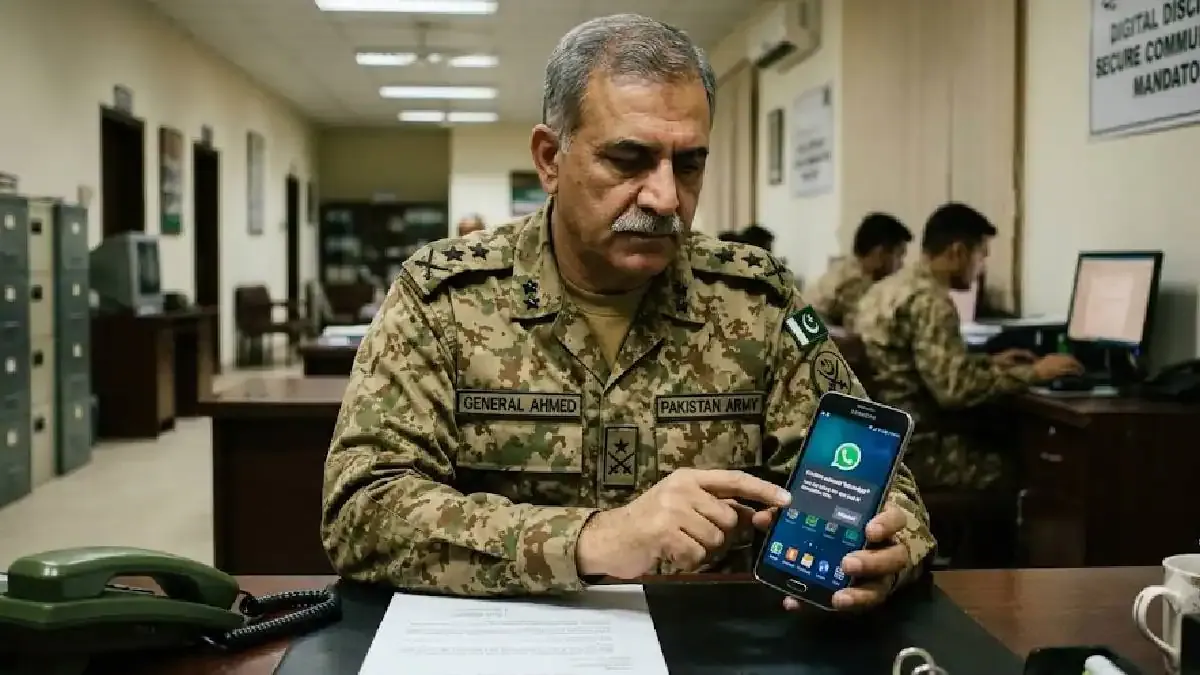
Pakistan Army Replaces WhatsApp with China's WeChat Over Security Concerns
Categories

Categories

Related Coverage

Select a news story to see related coverage from other media outlets.

Related Coverage

Select a news story to see related coverage from other media outlets.

  1. Home
  2. /
  3. Politics

Pakistan Army Replaces WhatsApp with China's WeChat Over Security Concerns

Analysed 5 Aug 2026·4 sources analysed·China·Politics
Pakistan Army Replaces WhatsApp with China's WeChat Over Security ConcernsPreviousNext

The Pakistan Army has directed its personnel to stop using US-based WhatsApp for official communications due to concerns over electronic surveillance, interception, and data breaches. Instead, it has adopted China's WeChat platform, reflecting deepening military and digital ties between Pakistan and China. This shift aligns with strategic cooperation in defense and intelligence sharing, despite WeChat being banned in India over security concerns. The move aims to secure sensitive communications and facilitate coordination with China.

Sentiment
46%
TBN's observations

First-hand measurement across 4 sources

We measured how 4 outlets covered this story. No outlet gave this story a measurable political slant — there is no left–right reading to report. Overall sentiment is neutral (46/100). Lens Score 39/100.

Outlets measured: firstpost, wion, ndtv, indiatoday. See how each one headlined and framed the same story in the source comparison below.

AI analysis of 4 sources · Published under editorial oversight by The Balanced News
Analysed 5 Aug 2026· How this analysis is produced· Editorial standards· Corrections

AI Analysis

Sentiment — Neutral (46/100)

Sentiment was consistent across outlets (38–55/100), indicating broadly factual reporting rather than editorialising.

Coverage timeline

indiatoday broke this story on 4 Aug, 12:06 pm. Other outlets followed.

4 Aug, 12:06 pm4 sources · 29 h5 Aug, 05:20 pm
AI analysis by the TBN Bias Engine · beat methodology byPrajakta Kale· Political Analyst· editorial standards byOjas Kale
← Previous
Sheikh Hasina's Son Warns Bangladesh Has Become a Failed State Posing Security Risks
Next →
Tamil Nadu 2026-27 Budget Highlights Education, Healthcare, Housing Allocations
  1. 1
    indiatoday4 Aug, 12:06 pm
    Ditch WhatsApp, switch to WeChat: Pakistan Army's diktat to officers
  2. 2
    ndtv4 Aug, 05:13 pm
    Pakistan Army Dumps WhatsApp For China's WeChat Over Spying, Hacking Fears
  3. 3
    wion5 Aug, 12:43 pm
    Pakistan Army discards WhatsApp over spying and data breach fears, switches to China's WeChat
  4. 4
    firstpost5 Aug, 05:20 pm
    Pakistan Army Drops WhatsApp Over Spying, Data Breach Fears; Switches to China's WeChat

Who's involved

Institutions and figures named across source coverage.

Government
Indian government
Corporate
Meta

Story context

Category
Politics
Location
China
Sources analysed
4
Last analysed
5 Aug 2026
Key entities
Data breachWeChatPakistan ArmyChinaSurveillancePakistan Armed ForcesWhatsAppPakistanNational securityMilitary communicationsInformation privacySovereignty