Ukrainian Strikes on Russian Refineries Deepen Fuel Shortages Amid War Tensions
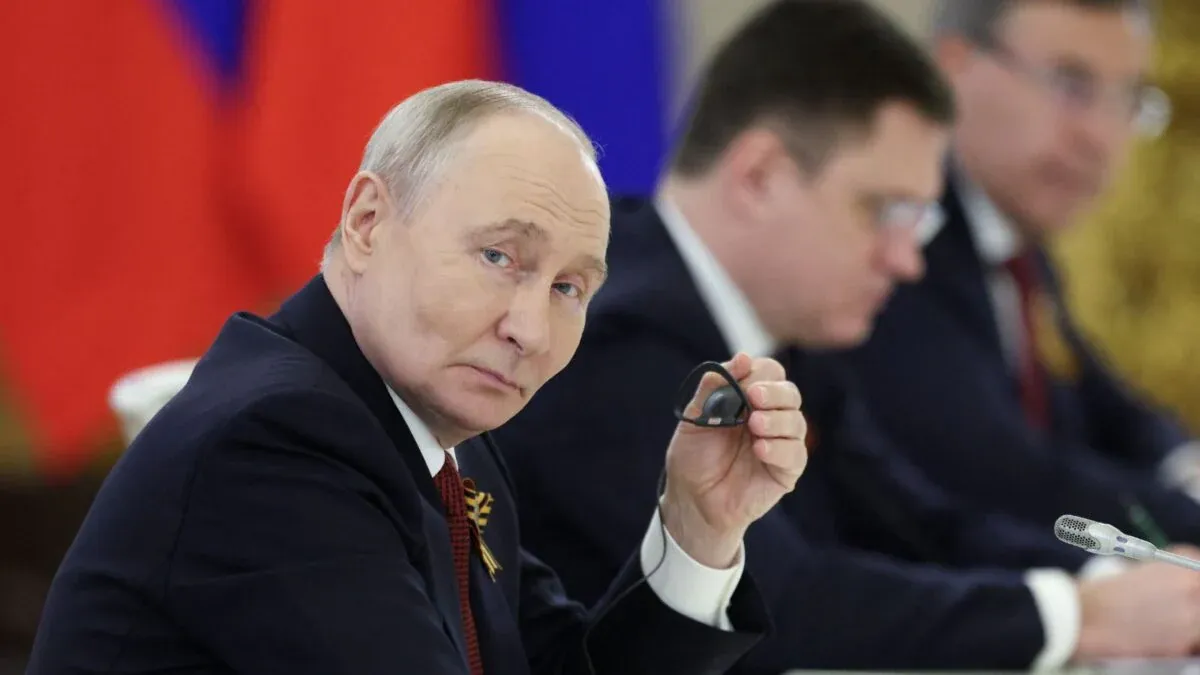
Ukrainian drone strikes on Russian oil refineries and energy infrastructure have caused significant fuel shortages and price increases across Russia, disrupting transport and essential services. These attacks, targeting regions including Moscow and Crimea, have reduced refining capacity by about one-third, with some damage expected to take months to repair. While President Putin has downplayed the impact, calling it "not critical," Ukrainian officials view the campaign as a strategy to pressure Russia to end the war. The crisis raises questions about its effect on Russia's military operations and war strategy.
First-hand measurement across 3 sources
We measured how 3 outlets covered this story. Coverage leans balanced overall (Left 30%, Centre 65%, Right 5%). Overall sentiment is negative (30/100). Lens Score 37/100 — moderate-to-low public interest.
Outlets analysed (first-hand measurement by TBN's Bias Engine):
- businessstandard— balanced framing, negative sentiment
- indiatoday— left-leaning framing, negative sentiment
- news18— balanced framing, neutral sentiment
AI Analysis
The article group presents perspectives from both Ukrainian and Russian viewpoints. Ukrainian sources emphasize the strategic intent behind the strikes to pressure Russia, while Russian officials, including President Putin, minimize the impact. Analysts provide assessments of the damage and its implications without overt bias. The coverage balances official statements with expert commentary, reflecting the contested nature of the conflict and its effects.
The overall tone is serious and factual, highlighting the growing fuel crisis in Russia due to Ukrainian attacks. While the situation is described as challenging for Russia, the coverage avoids sensationalism, presenting both the severity of the shortages and the Russian government's dismissive stance. The sentiment is mixed, combining concern over disruptions with official reassurances, reflecting the ongoing conflict's complexity.