Trump Administration Launches Campaign to Limit International Criminal Court's Influence
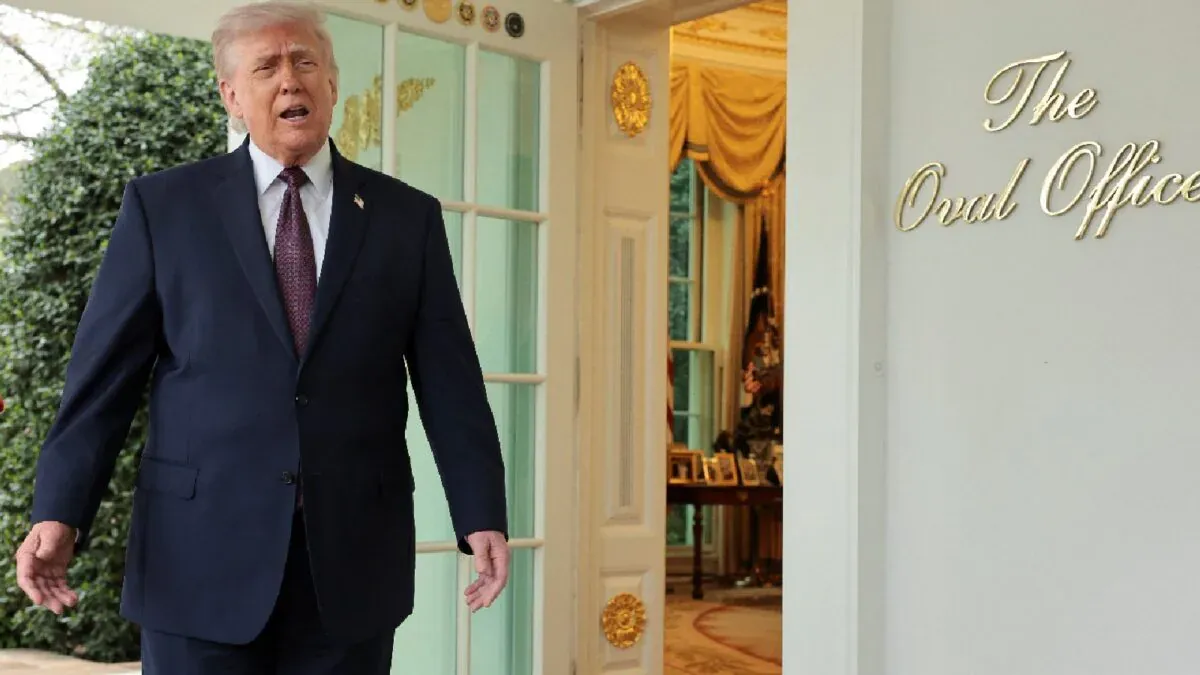
The Trump administration has launched a comprehensive campaign to counter the International Criminal Court (ICC), citing threats to U.S. sovereignty and concerns over potential prosecutions of American officials and military personnel. Led by Secretary of State Marco Rubio, the effort includes sanctions, travel bans, visa restrictions, and diplomatic pressure urging countries to reject the ICC's authority or face increased scrutiny. The U.S., not a member of the ICC, opposes its jurisdiction, especially after arrest warrants against leaders like Vladimir Putin and Benjamin Netanyahu. The campaign seeks to diplomatically isolate the court and reduce its global influence.
First-hand measurement across 3 sources
We measured how 3 outlets covered this story. Coverage leans balanced overall (Left 17%, Centre 76%, Right 7%). Overall sentiment is neutral (38/100). Lens Score 31/100 — low public interest.
Outlets analysed (first-hand measurement by TBN's Bias Engine):
- firstpost— balanced framing, neutral sentiment
- news18— balanced framing, neutral sentiment
- economictimes— balanced framing, neutral sentiment
AI Analysis
The articles predominantly reflect perspectives aligned with the Trump administration's stance, emphasizing U.S. sovereignty and opposition to the ICC's jurisdiction over American citizens. They include official statements from U.S. government officials like Marco Rubio and State Department representatives. While critical of the ICC, the coverage also notes the court's role and the positions of countries like Russia and Israel, presenting multiple viewpoints without endorsing any.
The overall tone across the articles is critical of the ICC from the U.S. government's perspective, highlighting concerns about sovereignty and legal overreach. However, the sentiment remains factual and measured, focusing on policy actions and diplomatic efforts rather than emotive language. The coverage balances the U.S. administration's aggressive posture with contextual information about the ICC's mandate and international reactions, resulting in a predominantly neutral to cautious tone.