Supreme Court Proposes Mediation for Gyanvapi, Mathura, Sambhal Disputes; Parties Decline
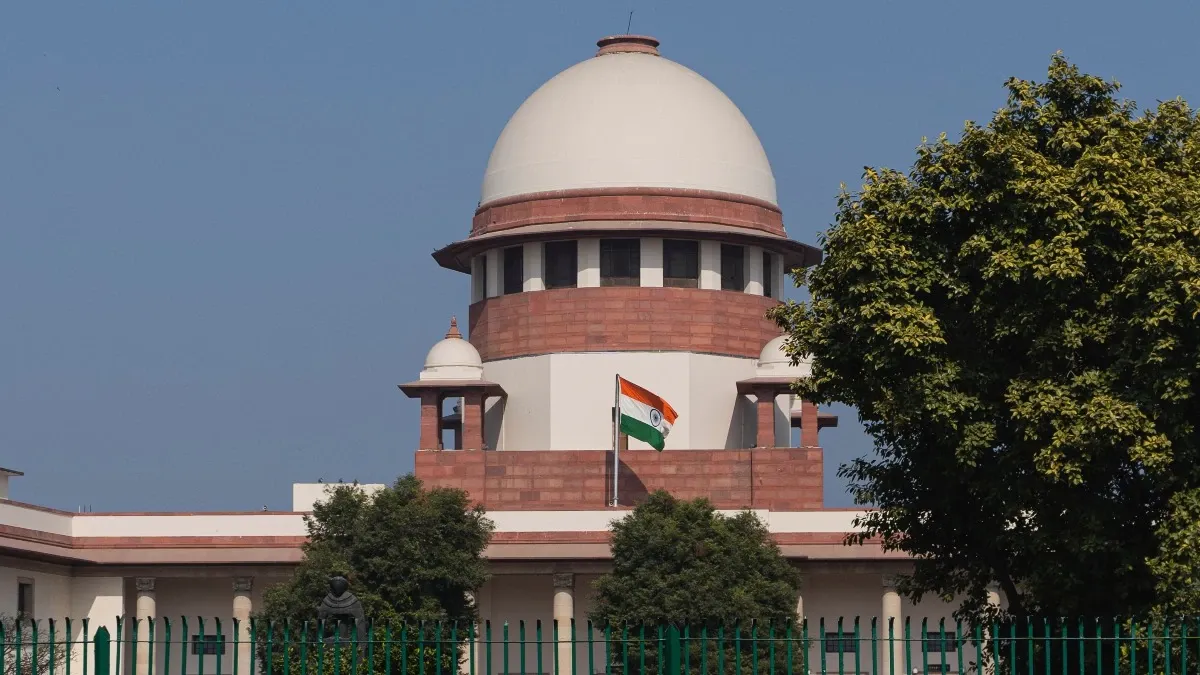
The Supreme Court of India has referred three major religious disputes—the Gyanvapi mosque in Varanasi, the Shri Krishna Janmabhoomi-Shahi Idgah mosque in Mathura, and the Shahi Jama Masjid in Sambhal—to a Special Lok Adalat scheduled for August 21-23 under its Samadhan Samaroh initiative, aiming for amicable settlements through mediation. However, both Hindu and Muslim parties in all three cases have declined to participate, preferring judicial adjudication due to the disputes' complex legal, constitutional, and historical significance. Pre-Lok Adalat conciliation efforts continue, but the litigations are expected to proceed in court.
First-hand measurement across 8 sources
We measured how 8 outlets covered this story. Coverage leans balanced overall (Left 28%, Centre 63%, Right 9%). Overall sentiment is neutral (46/100). Lens Score 35/100 — moderate-to-low public interest.
Outlets analysed (first-hand measurement by TBN's Bias Engine):
- scrollin— balanced framing, neutral sentiment
- economictimes— balanced framing, neutral sentiment
- thestatesman— balanced framing, neutral sentiment
- english— balanced framing, negative sentiment
- ndtv— balanced framing, neutral sentiment
- indiatvnews— balanced framing, neutral sentiment
- hindustantimes— balanced framing, neutral sentiment
- indiatoday— balanced framing, neutral sentiment
AI Analysis
The article group presents perspectives from both Hindu and Muslim parties involved in the disputes, as well as the Supreme Court's mediation initiative. Coverage includes official court actions and statements from litigants emphasizing legal and constitutional considerations. The sources maintain a neutral stance by reporting the parties' rejection of mediation without endorsing any side, reflecting a balanced representation of the ongoing legal and religious complexities.
The overall tone across the articles is neutral to cautious, focusing on procedural developments and the parties' decisions. While the Supreme Court's mediation effort is portrayed as a constructive initiative, the rejection by litigants introduces a note of impasse. The coverage avoids emotive language, instead emphasizing the legal gravity and sensitivity of the disputes, resulting in a measured and factual sentiment.