Trump Disputed Official Data on India Tariffs in Clash with Commerce Secretary
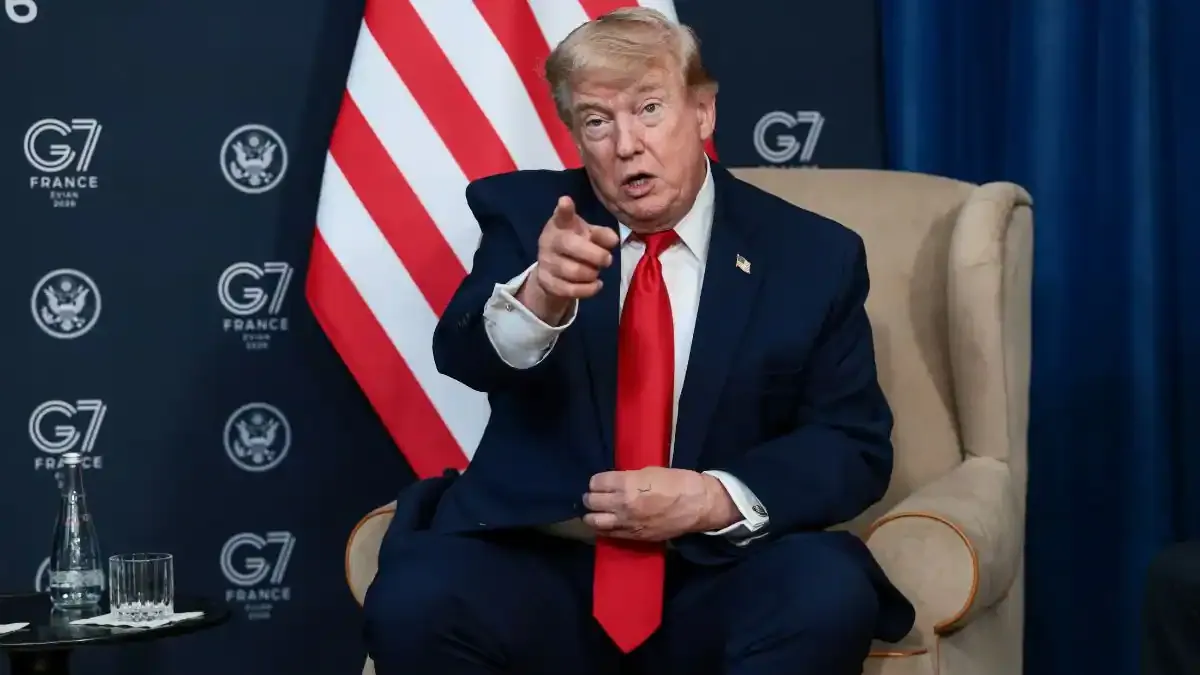
A new book by New York Times journalists Maggie Haberman and Jonathan Swan reveals a heated exchange between US President Donald Trump and Commerce Secretary Howard Lutnick over India's tariffs on American goods. Trump rejected official data from the Office of the United States Trade Representative, insisting that India's tariffs were significantly higher—around 175 percent—than reported. Despite Lutnick's attempts to present verified figures, Trump dismissed them as inaccurate, reflecting his administration's strained trade relations with India during his second term.
First-hand measurement across 11 sources
We measured how 11 outlets covered this story. Coverage leans balanced overall (Left 25%, Centre 66%, Right 9%). Overall sentiment is neutral (42/100). Lens Score 41/100 — moderate-to-low public interest.
Outlets analysed (first-hand measurement by TBN's Bias Engine):
- hindustantimes— balanced framing, neutral sentiment
- mint— balanced framing, neutral sentiment
- timesnow— balanced framing, neutral sentiment
- timesnow— balanced framing, neutral sentiment
- ndtv— balanced framing, neutral sentiment
- indiatvnews— balanced framing, neutral sentiment
- oneindia— balanced framing, neutral sentiment
- english— balanced framing, neutral sentiment
AI Analysis
The article group primarily presents perspectives from US government insiders and journalists, focusing on internal disagreements within the Trump administration. It highlights Trump's skepticism toward official data and his confrontational style, while also including views from administration officials who provided the data. The coverage centers on trade policy tensions without endorsing any political stance, reflecting a factual recounting of events.
The overall tone across the articles is critical but factual, emphasizing conflict and frustration within the Trump administration regarding trade data. While the language includes strong quotes from Trump, the coverage remains descriptive rather than emotive, presenting the dispute without overt judgment. The sentiment is mixed, capturing both the tension and the administrative efforts to provide accurate information.