India Ranks Second Globally in Childhood Obesity Amid Rising Health Concerns
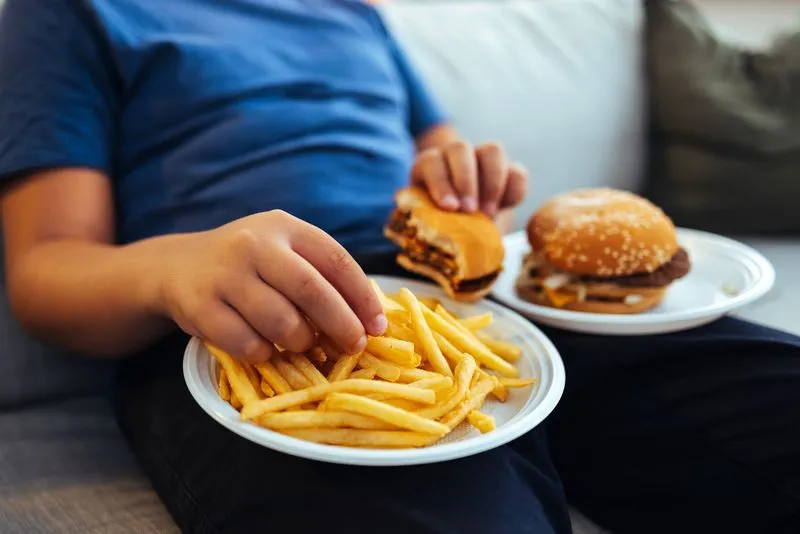
India faces a growing childhood obesity crisis, ranking second globally after China, with 41 million children aged 5-19 living with high BMI and 14 million classified as obese by 2025. Urban lifestyle changes, including increased consumption of calorie-dense foods, reduced physical activity, and algorithm-driven food delivery, contribute to this trend. Childhood obesity raises risks for chronic diseases and imposes significant economic burdens. Experts emphasize early, sustained interventions to address this complex health challenge amid rising global prevalence.
First-hand measurement across 15 sources
We measured how 15 outlets covered this story. Coverage leans balanced overall (Left 2%, Centre 97%, Right 1%). Overall sentiment is neutral (47/100). Lens Score 27/100.
Outlets measured: ndtv, indiatoday, news18, thetribune, indianexpress, indianexpress, ndtv, hindustantimes, and 7 more. See how each one headlined and framed the same story in the source comparison below.
AI Analysis
All 15 outlets scored close to centre on political lean. The real divergence here is in emphasis, not lean — compare the headlines below to see how each outlet chose to frame the same facts.
Sentiment ranged widely across outlets — from 30/100 to 70/100 — a sign the coverage itself was contested, not just reported.
Coverage timeline
thehindu broke this story on 4 Mar, 08:42 am. Other outlets followed.