2 hours agoSocial
37LENS
1 SourcesSaudi Arabia
 thebalanced.news
Urban Vegetation's Cooling Effect Varies, Can Cause Warming in Dry Cities: Study
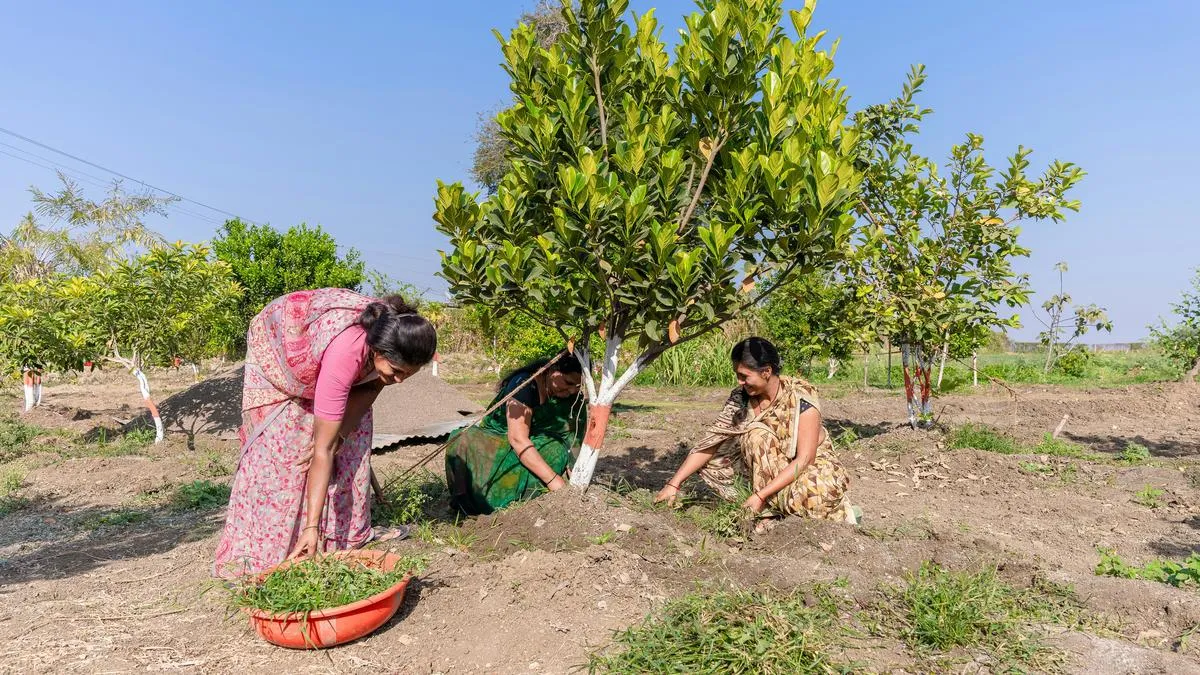
A global study of 761 megacities reveals a paradox in urban cooling strategies: while vegetation typically cools cities, it can paradoxically warm them in arid regions. Researchers found that in areas with less than 1,000 mm of annual rainfall, grasslands and croplands sometimes became hotter than built-up areas. Even trees showed warming effects in 2% of arid cities. This occurs because while evapotranspiration cools, vegetation can also absorb more sunlight, and this warming effect can outweigh cooling in dry conditions.
Political Bias
33%34%33%
Sentiment
45%
Related Coverage
Select a news story to see related coverage from other media outlets.