3 hours agoSocial
25LENS
2 SourcesArunachal Pradesh, India
 thebalanced.news
World Water Day 2026 Highlights Gender Inequality in Global Water Access and Climate Impacts
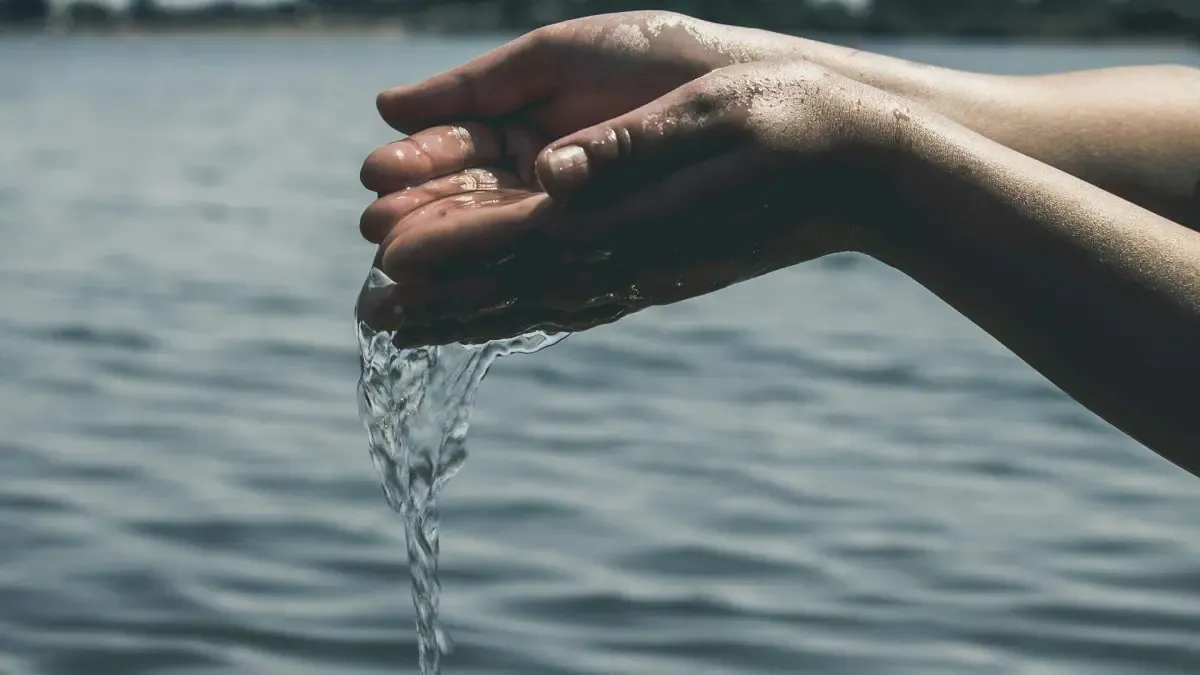
World Water Day 2026, themed 'Water and Gender,' highlights the disproportionate impact of water scarcity on women and girls globally. Women often bear the burden of collecting and managing water, affecting their education and economic opportunities. In India, classified as water-stressed, Arunachal Pradesh's historically abundant water resources face challenges from climate change, altering river flows and increasing variability. The UN emphasizes integrating gender equity into water management to ensure safe, equitable access and participation in decision-making.
Political Bias
35%63%2%
Sentiment
65%
20 stories available
View AI Analysis
Bias Analysis: The articles present a largely neutral perspective focused on global and regional water issues, emphasizing gender disparities without partisan framing. They include official UN statements and data, highlighting systemic challenges in water management and climate change impacts, particularly in India’s Arunachal Pradesh. The coverage reflects international development and environmental concerns rather than political debate.
Sentiment: The overall tone is informative and concerned, emphasizing challenges faced by women and regions affected by water scarcity and climate change. While highlighting difficulties and inequalities, the coverage maintains a constructive outlook by promoting awareness and the need for inclusive water management solutions, avoiding sensationalism or negativity.
Lens Score: 25/100 — Story is well-covered by media outlets. Public interest: 0/100. Coverage gap: 100%.
Related Coverage
Select a news story to see related coverage from other media outlets.