2 hours agoSocial
28LENS
6 SourcesKathmandu, Nepal
 thebalanced.news
ICIMOD Reports Show Himalayan Glaciers Melting Twice as Fast Since 2000
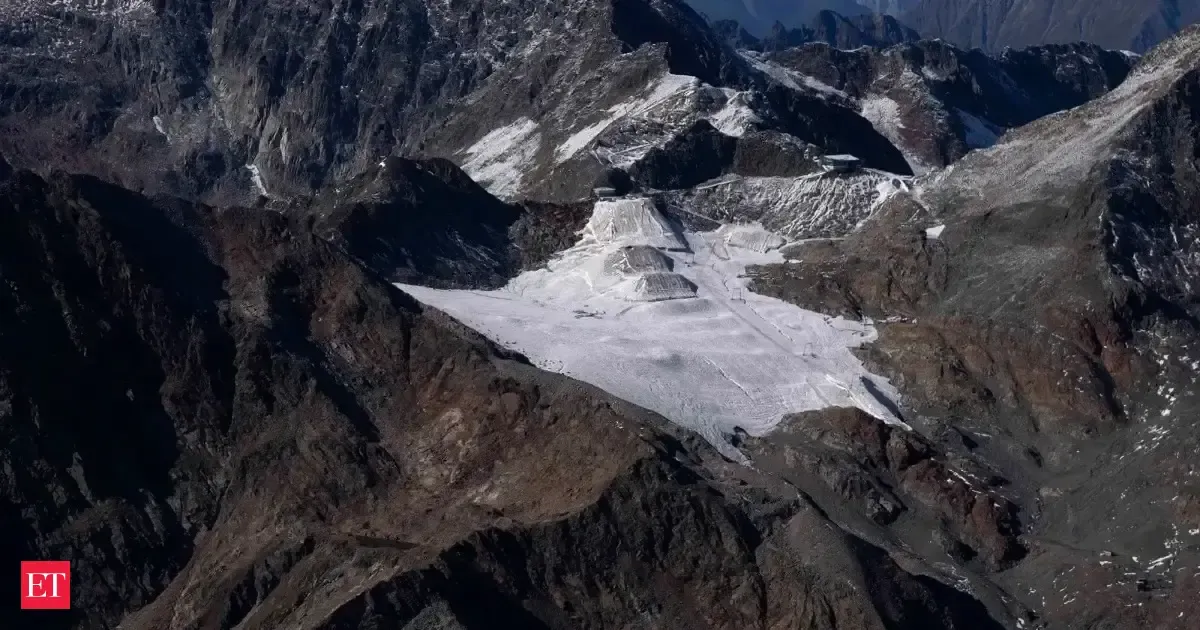
Two recent reports by the International Centre for Integrated Mountain Development (ICIMOD) reveal that glaciers across the Hindu Kush Himalaya are melting at twice the rate since 2000, with ice loss nearly doubling from 34 cm to 73 cm annually. The region, holding the largest ice reserves outside the poles, has lost up to 27 meters of ice thickness since 1975 and about 12% of glacier area between 1990 and 2020. This melting threatens water, food, and energy security for nearly two billion people. Experts urge enhanced glacier monitoring, adaptation investments, and reductions in black carbon emissions to address escalating risks including floods and water insecurity.
Political Bias
3%96%1%
Sentiment
33%
21 stories available
View AI Analysis
Bias Analysis: The article group primarily presents scientific findings from ICIMOD, an inter-governmental body, focusing on environmental and climate issues without partisan framing. The coverage includes statements from ICIMOD officials and experts emphasizing urgency and adaptation needs. There is no evident political bias; the perspectives center on environmental impact and policy recommendations rather than political debate or controversy.
Sentiment: The overall tone across the articles is serious and cautionary, highlighting the accelerating glacier melt and its potential consequences for billions. While the reports stress urgency and risks such as floods and water insecurity, the sentiment remains factual and measured, focusing on scientific data and calls for action rather than emotional or alarmist language.
Lens Score: 28/100 — Story is well-covered by media outlets. Public interest: 0/100. Coverage gap: 90%.
Accountability Flags: public safety issue.
Related Coverage
Select a news story to see related coverage from other media outlets.