US Military Implements Annual Testosterone Screening Amid Medical Debate
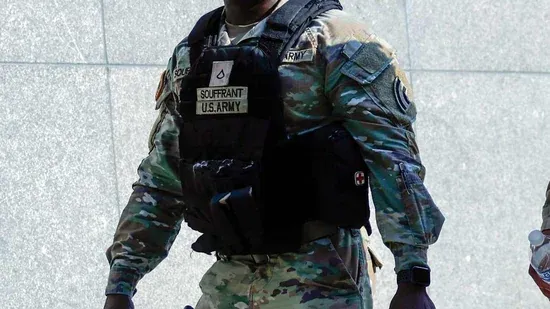
The US Department of Defense, led by Secretary Pete Hegseth, has mandated annual testosterone deficiency screenings for all male active-duty and reserve service members aged 30 and above to enhance military readiness. While the policy includes voluntary testosterone replacement therapy for those diagnosed, many medical experts question its scientific basis, cautioning that routine screening without symptoms may lead to unnecessary or harmful treatments, including risks like infertility. Current guidelines recommend testing only symptomatic individuals, highlighting ongoing debate over the policy's health implications and effectiveness.
First-hand measurement across 15 sources
We measured how 15 outlets covered this story. Coverage leans balanced overall (Left 3%, Centre 95%, Right 2%). Overall sentiment is neutral (50/100). Lens Score 30/100 — low public interest.
Outlets analysed (first-hand measurement by TBN's Bias Engine):
- thehindu— balanced framing, neutral sentiment
- economictimes— balanced framing, neutral sentiment
- economictimes— balanced framing, neutral sentiment
- freepressjournal— left-leaning framing, neutral sentiment
- ndtv— left-leaning framing, neutral sentiment
- moneycontrol— balanced framing, neutral sentiment
- wion— balanced framing, neutral sentiment
- thetribune— balanced framing, neutral sentiment
AI Analysis
The articles present a range of perspectives, including official military policy announcements and critical views from medical experts. The coverage reflects government initiatives aimed at military readiness alongside skepticism from healthcare professionals about the policy's scientific support. This balance shows representation of both administrative decisions and expert concerns without favoring either side.
The overall tone is mixed, combining the Defense Department's positive framing of the screening as a readiness measure with cautious and critical assessments from medical experts. The sentiment reflects concern over potential health risks and policy justification, balanced by the official intent to support troop performance, resulting in a nuanced portrayal rather than purely positive or negative coverage.